
Foods That Lower Blood Sugar Naturally And You Can Grow Them
Stop removing sugar. Start adding minerals.
The Urban Metabolic Garden Series
This article is part of The Urban Metabolic Garden, a February blog series exploring how small-space gardening, soil quality, and food environments directly influence blood sugar regulation, insulin sensitivity, and metabolic health. Throughout the month, I’m publishing one new blog each day to show how even apartments, condos, balconies, and indoor spaces can be used to support metabolic safety — without land, perfection, or overwhelm. Each post builds on the last, connecting soil → plant → plate → physiology, so you can understand not just what to do, but why it works.
When people think about blood sugar balance, they usually think about food rules. What to cut. What to avoid. What to restrict next.
But blood sugar regulation is not created by removal. It is created by regular exposure to mineral rich, fiber dense foods that the body can rely on day after day.
That is where balcony gardening becomes metabolically powerful.
Not because the plants are magical, but because they improve access to the exact foods insulin needs to function well.
Why Balcony Grown Foods Support Blood Sugar Differently
Balcony grown foods are harvested at peak freshness. They are eaten closer to harvest. They retain more minerals, fiber structure, and phytonutrients than foods that travel long distances and sit in storage.
This matters because insulin sensitivity depends on nutrient density, not just calorie content.
When nutrient density drops, blood sugar regulation becomes harder, even when food choices appear healthy.
Growing even a small amount of food at home helps correct this imbalance.
Leafy Greens Are the Foundation of a Blood Sugar Balcony
If there is one category of food that has the biggest impact on blood sugar stability, it is leafy greens.
Greens like spinach, lettuce, arugula, and kale grow exceptionally well in containers. They do not require deep soil, they tolerate cooler temperatures, and they regenerate quickly when harvested properly.
From a metabolic perspective, leafy greens supply magnesium for insulin signaling, fiber to slow glucose absorption, and folate to support cellular energy. When eaten regularly, especially at the beginning of meals, they reduce post meal blood sugar spikes and improve satiety.
This is one of the simplest ways to lower blood sugar naturally without restriction.
Herbs Do More Than Add Flavor
Herbs are often underestimated because they are used in small amounts, but metabolically they are dense and powerful.
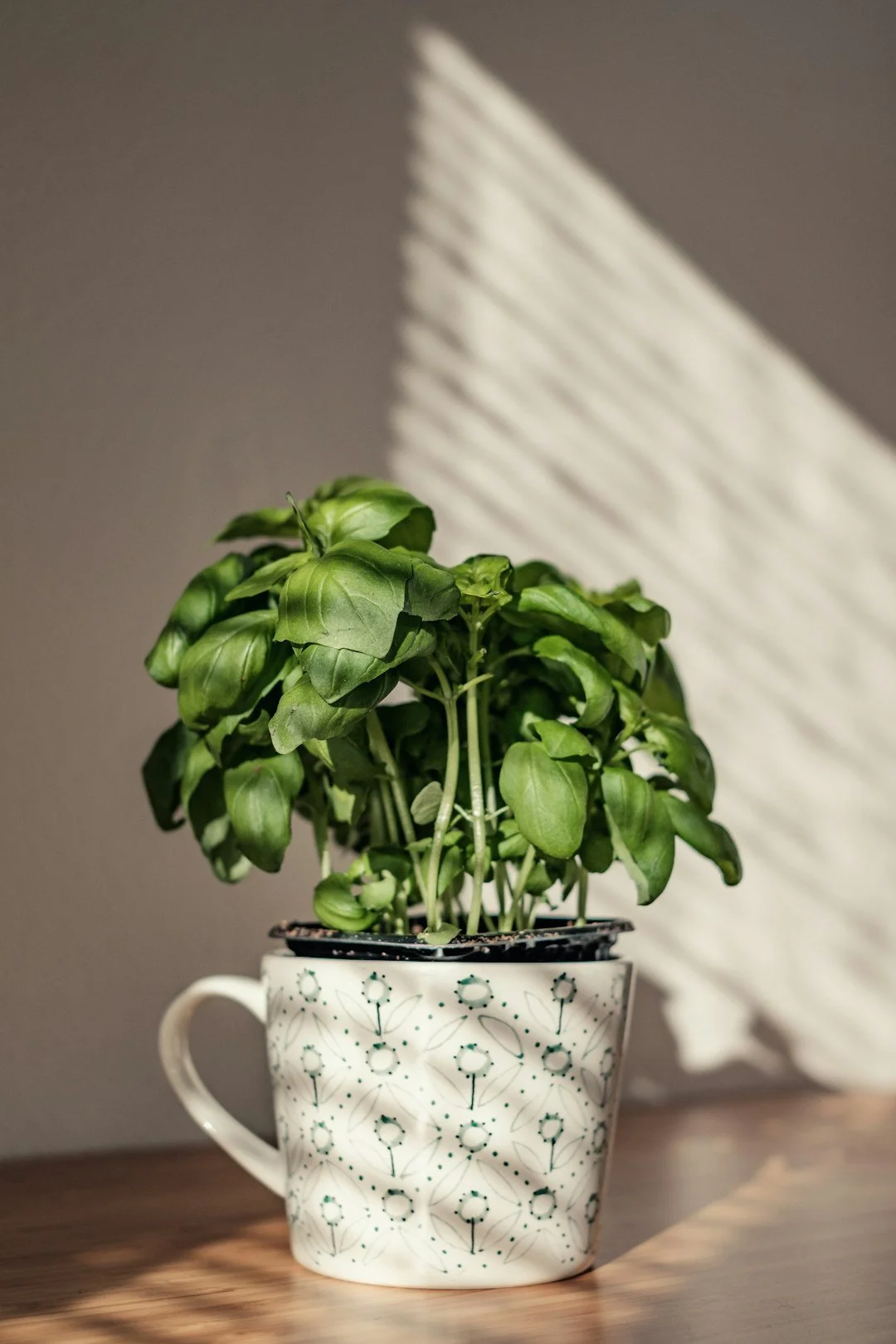
Parsley, basil, thyme, rosemary, and cilantro all grow well on balconies in containers. They require minimal space and can be harvested frequently.
These plants provide concentrated minerals and polyphenols that support glucose regulation and insulin sensitivity. Parsley, in particular, is rich in potassium, which helps move glucose into cells more efficiently.
Herbs also improve flavor naturally, reducing the need for sauces, sugars, and processed condiments that often destabilize blood sugar.
Bitter Greens Improve Insulin Response
Bitter foods play a unique role in blood sugar regulation because they stimulate digestive signaling and improve insulin response.
Arugula, mustard greens, and even dandelion greens can be grown successfully in containers. These plants thrive in cooler weather and require very little maintenance.
Regular exposure to bitter flavors helps regulate appetite, reduce post meal glucose spikes, and retrain taste perception over time. As taste perception changes, cravings naturally quiet without force.
This is biology responding to better inputs.
Microgreens Are High Impact for Small Balconies
If space is extremely limited, microgreens are one of the most efficient ways to improve nutrient density.
Microgreens can be grown in shallow trays on balconies or just inside balcony doors with adequate light. They grow quickly and provide concentrated minerals and antioxidants.
Broccoli microgreens are especially supportive of insulin sensitivity and inflammation regulation. Even small daily additions can meaningfully support blood sugar stability.
Microgreens are a practical solution for people who want results without complexity.
Why Growing These Foods Changes Eating Behavior
The benefit of balcony gardening is not just nutritional. It is environmental.
When blood sugar supporting foods are growing right outside your door, they become visible, accessible, and familiar. This reduces friction around eating well.
Lower friction leads to consistency. Consistency leads to stable blood sugar.
This is why people often feel more regulated without trying harder when they change their food environment.
Soil Quality Determines Blood Sugar Impact
Minerals come from soil, not labels.
When soil is depleted, food is depleted. Even organic produce can be low in minerals if soil quality is poor.
Growing food at home allows you to choose mineral rich soil and protect nutrient density at the source. This is especially important when the goal is metabolic health, not yield.
You do not need perfect soil. You need better soil than the industrial average.
Why This Matters More After 40
As estrogen declines, insulin sensitivity changes. Blood sugar becomes less forgiving. Cravings become louder. Recovery takes longer.
This is not a willpower issue. It is a physiological shift that requires more stable inputs.
Balcony grown greens and herbs provide consistent mineral support, which becomes increasingly important during this stage of life.
Insulin First Gardening on a Balcony
You do not need land.
You do not need raised beds.
You do not need a full garden.
A few containers of leafy greens, herbs, and bitter plants can meaningfully lower blood sugar by improving mineral intake, fiber intake, and access.
This is insulin first gardening.
Not for aesthetics.
For metabolic safety.
Stop Removing Sugar. Start Growing Support
Blood sugar stability is not created by fear of food. It is created by consistent access to nutrient dense plants that support insulin naturally.
When those foods are present, sugar loses its grip on its own.
If this article helped you see blood sugar differently, consider sharing it with someone who feels stuck in restriction and cravings despite trying to eat well. This perspective often brings relief where rules have failed.
Start with access, not restriction.
If blood sugar has felt harder to manage lately, the next step isn’t cutting more foods. It’s improving the quality and consistency of what’s available to you every day.
My 7-Day Sugar Reset Guide helps calm insulin, reduce cravings, and restore metabolic rhythm while you build better food foundations alongside it.
👉 Access the 7-Day Sugar Reset Guide here
To Your Health,
Sarah Seguin
NUTRITIONAL GARDENS
Certified Nutrition Practitioner
Metabolic Balance Coach
Horticulturist