Why Summer Sugar Cravings Feel Different (And What Your Blood Sugar Is Actually Doing)
If you’ve spent all year finally getting a handle on your cravings, and then summer hit and it all seemed to come undone again, you are not imagining it. It’s not that you got lazy. It’s not that your willpower took a vacation along with everyone else’s schedule.
Something genuinely different happens to your blood sugar in the summer. Between the heat, the later dinners, the extra glass of rosé on the patio, and the meal times that shift by two hours because everyone’s outside enjoying the evening, the structure that was keeping your cravings quiet all spring gets quietly dismantled. And when that structure goes, the cravings come right back.
Why Cutting Carbs and Willpower Never Fixed Your Cravings
By the time a woman books a discovery call with me, she has usually already tried everything.
Low carb. Keto for a few weeks. A strict no sugar rule that lasted until the Friday she was too tired to fight it anymore. White knuckling her way through the afternoon crash because she told herself this time she would just push through it. Skipping breakfast because she read somewhere that intermittent fasting would fix her blood sugar.
None of it worked for long. And if you have tried the same things and you are still standing in the kitchen at 9pm eating something you did not even want, I want you to hear this clearly: that is not a discipline problem. It is a blood sugar problem, and the three things almost everyone tries first are usually the exact things that make it worse.

The 3pm Crash Isn’t a Willpower Problem (Here’s What’s Actually Happening)
You know the feeling. It is 2:45, maybe 3, and something in you just switches off. Your eyes feel heavy. Your brain goes fuzzy mid sentence. You catch yourself reading the same line of an email three times and none of it is landing. And somewhere underneath the fog, there is a pull toward the vending machine, the pantry, the coffee maker, anything that promises a jolt back to functioning.

Proof You Can Grow Real Food Anywhere: A Garden Update From 17 Storeys Up
Right now, on a balcony 17 storeys up, with no yard, no raised beds, and no acreage, I have a full working garden. Parsley and mint. Green onions, chives, and cilantro. Lettuce. Bok choy that is almost ready to harvest. A second round of cilantro. Chamomile. Pole beans climbing up the railing. Carrots pushing up through the soil. Cucumbers vining out over the edge of their pot. And on a shelf against the wall, oregano, basil, kale, tarragon, and English thyme, all coming along nicely in their own containers.

Why Your Blood Sugar Doesn't Take a Summer Vacation (Cottage Weekends, BBQs, Patio Season)
You had a great weekend. You swam, you sat on the dock, you laughed with people you love. You also ate corn on the cob standing up, had a glass of wine before dinner instead of after, snacked on chips while someone else grilled the burgers, and went to bed later than you meant to three nights in a row. Now it is Monday, you feel puffy and foggy, the scale is up two pounds, and that familiar voice starts up in your head. You blew it. You have no discipline. Here we go again.
I want to stop you right there, because that story is not true, and it is not helping you.

If I Wanted to End My Sugar Cravings for Good, Here’s Exactly What I’d Do
Here is what I know now that I wish I had known at twenty-two. These are not theoretical suggestions. These are the five things I actually did and that I walk every client through in the Sugar Reset Method.

I Rated Six Wellness Trends as a Blood Sugar Nutritionist. Here's My Honest Take.
Wellness advice moves fast. One month it’s seed cycling, the next it’s fasting, the next it’s collagen everything. As someone who has been working in nutrition for 6 years and managing her own blood sugar for twenty. I have watched a lot of trends come and go.
Some of them have real science behind them. Some of them are marketing dressed up as health information. And some of them are genuinely neutral tools that work beautifully for some people and actively backfire for others particularly women in midlife, whose hormonal landscape changes the equation significantly.
Here is my honest, practitioner-level take on six of the trends I get asked about most often. Not to be contrarian. Not to discourage anyone. But because women in midlife deserve information that is actually calibrated to their biology not just repurposed from research done on men in their thirties.

Five Meals That Keep My Blood Sugar Stable All Day (And the Garden Ingredient in Each One)
These are five meals I make on actual rotation. Not aspirational meals I photographed once and forgot about. The ones I actually come back to, week after week, because they work. Each one is structured around the Metabolic Balance principles I use with my 1:1 clients, and each one includes at least one ingredient you can grow on a windowsill, balcony, or backyard, even in winter.

Why Your Blood Sugar Is the Root of Your Sugar Cravings (And What Your Grocery Store Isn't Telling You)
It’s 9pm. You made it through the whole day eating well. You got dinner on the table, cleaned up, finally sat down on the couch and then something happened. You weren’t even really hungry. You weren’t thinking about food. And somehow, fifteen minutes later, there’s a wrapper on the counter and a familiar, sinking feeling in your chest.
Why the Meal Plan Is Not the Program (And What Actually Gets You to the Finish Line)
She had not sent her weekly update in two weeks.
I reached out. We got on a call. And the first thing she said was that she had not wanted to contact me because she had gone off her plan for a week and was scared to step on the scale.
She thought she had failed. She thought I would be disappointed. She had been carrying that quietly for fourteen days, and it had kept her away from the one person who could have helped her through it.
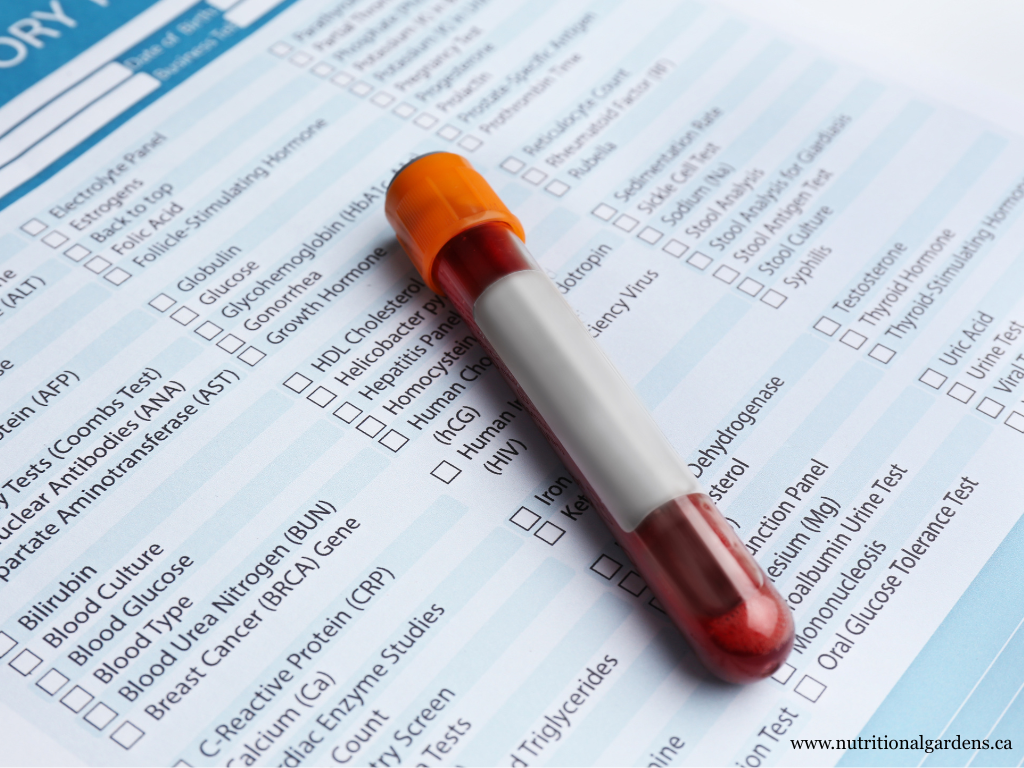
What 36 Blood Values Have to Do With Your Sugar Cravings, Belly Fat, and Exhaustion
You have probably had bloodwork done before. Your doctor ordered it, the results came back, and someone told you everything looks normal. Maybe you felt relieved. Maybe you felt frustrated, because normal on paper does not explain why you are exhausted by 2pm, craving sugar every night, and gaining weight around your middle despite genuinely trying.
Here is what most standard bloodwork is not designed to do:

Why You Wake Up Tired Even After Sleeping All Night
You went to bed at a reasonable hour. You technically got enough sleep. Yet when the alarm goes off, you feel like you barely rested at all.
You drag yourself out of bed already exhausted. Your mind feels foggy. You crave coffee immediately. By mid morning, you are searching for something sweet or carb heavy just to feel functional. Then by the afternoon, your energy crashes again.
Many women assume this means they need more sleep. But often, the problem is not simply the number of hours you spent in bed. The real issue is that your body was never able to enter a deeply restorative state overnight because your metabolism was under stress the entire time.

Why You Cannot Willpower Your Way Out of Sugar Cravings
Have you ever found yourself standing in the kitchen at 9 PM, reaching for something sweet even though you promised yourself that today would be different? You were “good” all day. You ate the salad, skipped the bread basket, resisted the office treats, and told yourself you were finally back on track. Then the evening hits, the cravings come in strong, and suddenly you are in the pantry looking for chocolate, cookies, or anything that feels comforting. Almost instantly, the guilt follows. Why can I not control this? Why does sugar have such a hold on me?
Why an Apple a Day Supports Blood Sugar Balance, Gut Health, and Metabolic Wellness
In this article, you will learn why an apple a day can support blood sugar stability, digestion, and long term metabolic wellness.

Why Proper Hydration Supports Blood Sugar Balance, Insulin Sensitivity, and Metabolic Health
What is often overlooked is one of the most foundational elements of metabolic health.
Hydration.
Water plays a critical role in nearly every metabolic process in the body, including digestion, blood sugar regulation, and insulin function.
If you experience fatigue, cravings, headaches, or difficulty managing your appetite, hydration may be a contributing factor.
Inside the Metabolic Balance Program, one of the core daily rules is simple.
Drink your water.

The One Protein Rule: Why Eating One Protein Per Meal Supports Digestion and Metabolic Health
Many women focus on eating enough protein, but very few consider how protein is combined within a meal.
Meals that include multiple protein sources have become common. Eggs with cheese. Chicken with yogurt based sauces. Beef with dairy. Protein powders added on top of whole food meals.
While these combinations may appear healthy, they can place unnecessary stress on digestion and impact how efficiently the body processes nutrients.
If you experience bloating after meals, feel overly full for long periods, or struggle with energy dips even after eating balanced foods, the way your meals are structured may be contributing.
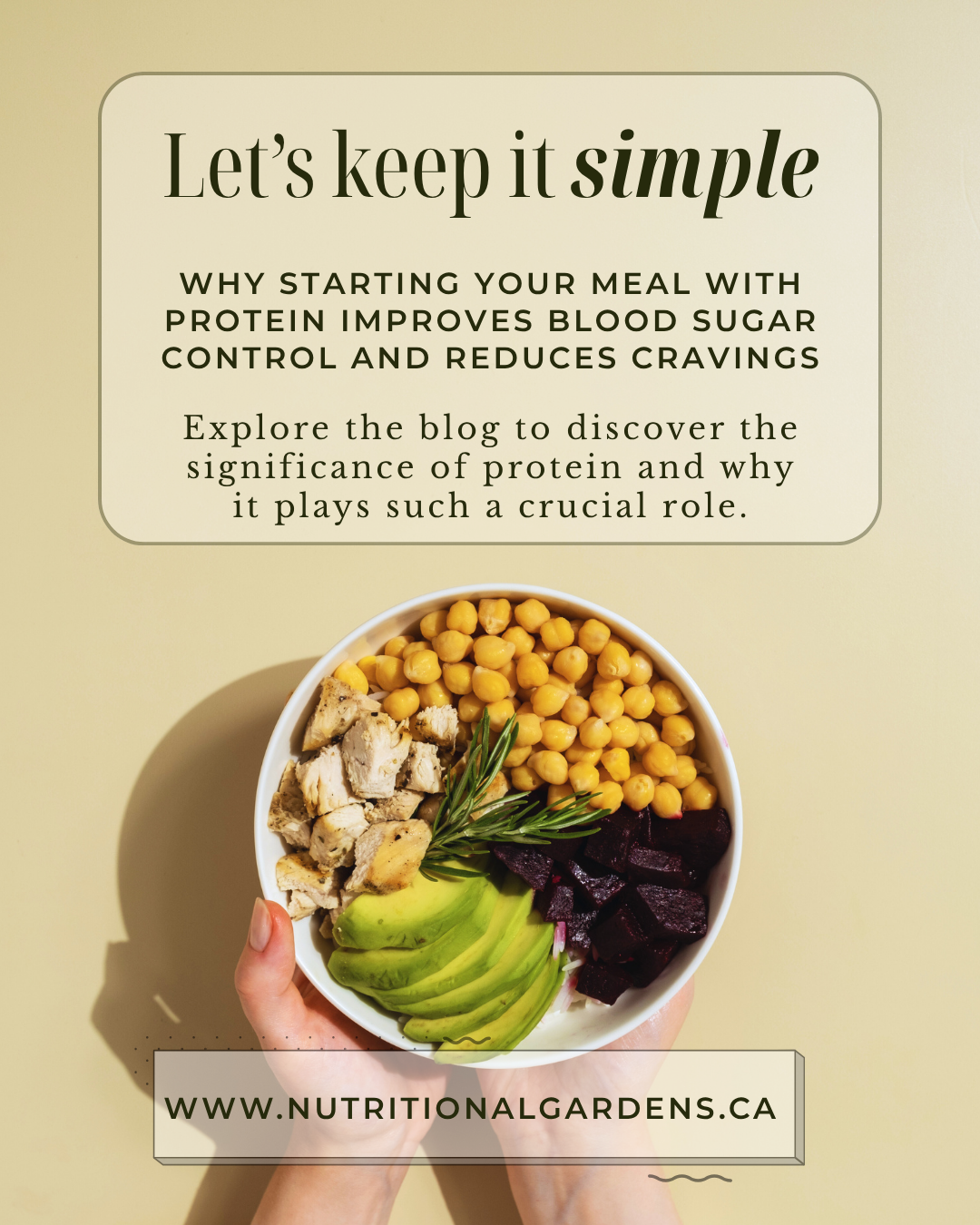
Why Starting Your Meal With Protein Improves Blood Sugar Control and Reduces Cravings
Many women focus on what they eat but overlook how they eat.
Food choices matter, but the order in which food is consumed can have a powerful impact on blood sugar, insulin response, and overall metabolic health.
If you have ever experienced feeling hungry shortly after eating, dealing with intense sugar cravings, or struggling with energy crashes, the sequence of your meals may be playing a role.
Inside the Metabolic Balance Program, one of the most effective daily rules is simple and highly strategic.
Start every meal with protein.
The 60 Minute Meal Rule: How Long Eating Windows Impact Blood Sugar and Insulin Levels
Many women focus on what they eat when trying to improve their health.
They look at ingredients, calories, and portion sizes.
What is often overlooked is how long they are eating.
Meals that stretch over long periods of time, constant nibbling while cooking, or grazing throughout the day may seem harmless. However, these habits can significantly impact blood sugar regulation and insulin levels.
If you find yourself eating slowly over hours, snacking while preparing meals, or finishing your plate long after you started, your metabolism may never be getting a true break.
Inside the Metabolic Balance Program, one of the core daily rules is simple but powerful.
The 5 Hour Rule: Why Waiting Between Meals Improves Insulin Sensitivity and Reduces Cravings
Many women have been told for years that eating every two to three hours is the key to maintaining a healthy metabolism.
Snack to keep your energy up.
Eat often to avoid slowing your metabolism.
Never let yourself get too hungry.