
Balcony Vegetable Gardening for Blood Sugar Stability
Apartments and Condos in Canada
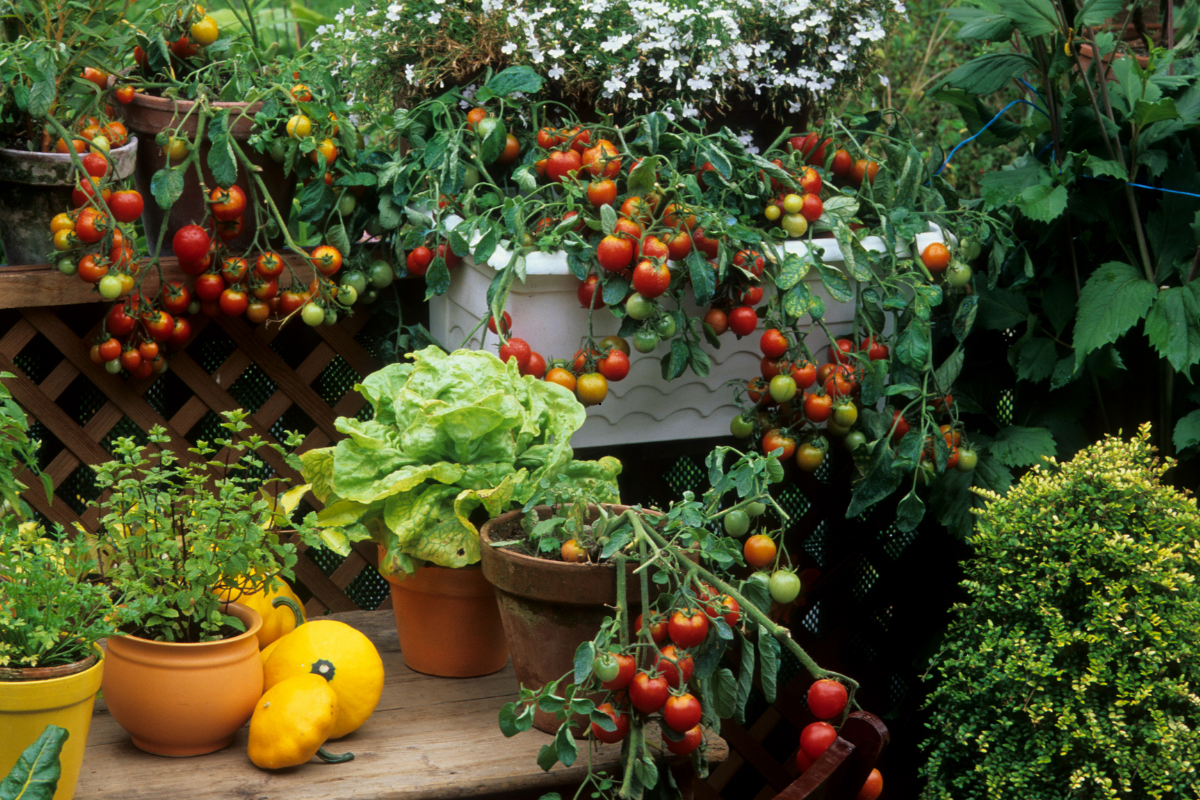
Welcome to the Urban Metabolic Garden Series
For the month of February, I will be publishing a new blog every single day.
Each post is designed to teach one foundational piece of how metabolic health, blood sugar regulation, insulin sensitivity, and daily environment intersect. Not just through food choices, but through the systems that shape those choices long before willpower is ever involved.
This series is called The Urban Metabolic Garden.
It is written for people living in apartments, condos, townhomes, or small urban spaces who have been told their environment limits their ability to support their health. People who believe real change requires more time, more space, more discipline, or a completely different lifestyle.
None of that is true.
Your metabolic health is shaped by what is available, visible, and easy to access on a daily basis. That includes what grows within arm’s reach of your kitchen.
Today’s post starts at the root.
Your balcony.
Because your balcony may be influencing your blood sugar stability far more than your willpower ever could.
Why Blood Sugar Stability Is Not a Food Problem
When most people struggle with blood sugar swings, cravings, or energy crashes, they assume the issue is a lack of discipline.
They believe they are choosing the wrong foods, eating too much sugar, or failing to stick to a plan.
But clinically, blood sugar dysregulation is rarely a motivation issue. It is a systems issue.
Blood sugar stability depends on predictability, nourishment, and safety. The nervous system and metabolic system work together to decide whether the body feels secure enough to regulate glucose efficiently.
When food feels scarce, inconvenient, or disconnected from the body, the brain compensates by increasing cravings, urgency, and impulsive eating.
This is where environment becomes metabolic.
What you see daily.
What you can reach quickly.
What feels abundant rather than restricted.
A balcony vegetable garden directly influences these factors, even in small spaces.
The Metabolic Impact of Growing Food in Urban Spaces
From a metabolic perspective, growing food is not about calories or vitamins alone.
It is about signaling.
When fresh food is visible, alive, and part of your daily routine, the brain receives cues of abundance. This reduces stress driven cortisol output, which directly affects insulin sensitivity.
Cortisol and insulin are closely linked. Chronically elevated cortisol makes cells less responsive to insulin, leading to higher circulating glucose and stronger cravings for fast energy.
A balcony garden creates daily sensory feedback that food is available, stable, and safe. This lowers physiological urgency around eating.
Even before you harvest anything, your metabolism responds.
This is why gardening is repeatedly associated with improved glycemic control, lower stress markers, and improved dietary adherence in clinical and population studies.
Not because of effort.
Because of exposure.
Why Balcony Gardening Works Especially Well for Blood Sugar
Balcony gardening removes several metabolic barriers at once.
First, it reduces friction.
When vegetables are already washed by rain, grown without packaging, and picked minutes before eating, the effort threshold drops dramatically. Lower effort leads to more consistent intake of fibre rich, blood sugar stabilizing foods.
Second, it increases fibre diversity.
Blood sugar regulation depends heavily on soluble and insoluble fibre. Fibre slows glucose absorption, feeds beneficial gut bacteria, and improves insulin sensitivity at the cellular level.
Home grown vegetables are often harvested at peak maturity, when fibre structure and micronutrient density are highest.
Third, it supports routine.
Blood sugar thrives on rhythm. Watering, checking leaves, harvesting, and cooking create daily metabolic anchors. These anchors stabilise eating patterns without rigid rules.
Fourth, it reconnects appetite awareness.
People with blood sugar dysregulation often struggle to tell the difference between true hunger and cravings. Gardening improves the body’s ability to recognize internal signals by calming the nervous system and increasing awareness of physical cues.
This makes food choices calmer and more intentional.
Best Vegetables for Blood Sugar Stability on a Balcony
Not all vegetables influence blood sugar the same way. For metabolic health, the goal is to prioritize vegetables that are fiber dense, low glycemic, and versatile enough to appear in multiple meals.
Leafy greens are foundational. Spinach, Swiss chard, kale, and arugula thrive in containers and provide magnesium, folate, and fibre that improve insulin signaling.
Cruciferous vegetables such as broccoli, kale, and mustard greens support liver detoxification pathways involved in glucose regulation and estrogen metabolism. These pathways are especially important after age thirty five.
Herbs matter more than most people realize. Basil, parsley, cilantro, rosemary, thyme, and oregano contain polyphenols that improve glucose handling and reduce oxidative stress. Regular small doses have cumulative metabolic effects.
Fruit vegetables such as tomatoes and peppers are appropriate when paired correctly. Grown fresh, they contain higher fibre and lower sugar concentration than store bought versions, especially when harvested fully ripe.
Green beans and peas provide slow digesting carbohydrates with fibre and protein, making them ideal for blood sugar balance when eaten as part of a meal.
The key is not perfection. It is presence.
Container Gardening for Canadian Apartments and Condos
Balcony gardening in Canada requires an understanding of seasonal limits, light exposure, and container choice.
Most Canadian balconies fall into one of three light categories. Full sun with six or more hours of direct light. Partial sun with three to five hours. Or bright shade with indirect light.
Leafy greens and herbs tolerate partial sun well. Tomatoes and peppers require full sun and warmer conditions.
Container size matters metabolically because root restriction affects nutrient density. Larger containers produce more stable plants with higher fibre content.
Use soil designed for containers rather than garden soil. Container soil maintains airflow and moisture balance, which supports healthy root development and nutrient uptake.
Drainage is essential. Waterlogged roots produce stressed plants, which affects nutrient quality.
In colder climates, containers warm faster than ground soil, extending the growing season. This is an advantage for urban growers.
Even a small balcony can support meaningful production when planned intentionally.
How Balcony Gardening Supports Insulin Sensitivity Over Time
Insulin sensitivity improves when glucose entry into the bloodstream is slower, more predictable, and paired with adequate fibre and micronutrients.
Vegetables grown and consumed fresh retain more magnesium, potassium, and antioxidants that support insulin receptor function.
In addition, the act of gardening itself improves insulin sensitivity through gentle movement, sunlight exposure, and parasympathetic nervous system activation.
Sunlight increases vitamin D synthesis, which is associated with improved glucose control and reduced insulin resistance.
The cumulative effect is subtle but powerful. Over weeks and months, people notice fewer crashes, reduced evening cravings, and more stable energy.
Not because they tried harder.
Because their environment changed.
Balcony Gardens as a Blood Sugar Safety Net
One of the most overlooked aspects of blood sugar regulation is perceived safety.
When people fear running out of food, time, or energy, the body prioritizes quick glucose access. This shows up as cravings for sugar and refined carbohydrates.
A balcony garden acts as a visible safety net.
Even if you do not rely on it for full meals, it provides reassurance. There is always something green available. Something nourishing within reach.
This lowers subconscious stress and reduces reactive eating patterns.
In metabolic coaching, this is called reducing background noise. When the nervous system is calmer, insulin works better.
Why Willpower Fails Where Environment Succeeds
Willpower is a finite resource. It declines under stress, sleep deprivation, hormonal shifts, and blood sugar instability.
Environment does not fatigue.
When vegetables are growing outside your door, the default choice shifts. Meals become anchored by fibre and volume before starch or sugar enter the plate.
This sequencing alone improves post meal glucose response significantly.
The balcony does not replace nutrition education or metabolic repair. It supports them.
This is why sustainable metabolic change always involves environment redesign, not restriction.
How This Fits Into the Urban Metabolic Garden Framework
The Urban Metabolic Garden is not about self sufficiency or aesthetics.
It is about metabolic safety.
It recognizes that modern urban living disconnects people from food systems in ways that destabilize blood sugar and increase insulin resistance.
By reintroducing food production at a micro level, even on a balcony, the body regains predictability.
This supports insulin first healing. Hormones stabilize downstream. Cravings soften. Energy returns.
The garden becomes part of the treatment plan.
Getting Started Without Overwhelm
You do not need an elaborate setup.
Start with one container.
One herb or green.
One daily interaction.
Consistency matters more than scale.
Over time, your balcony becomes a metabolic ally rather than unused square footage.
Final Thoughts
Blood sugar stability is not created through discipline alone. It is built through systems that support the body’s need for safety, rhythm, and nourishment.
Throughout February, this Urban Metabolic Garden series will explore how small, often overlooked parts of urban living influence insulin sensitivity, glucose regulation, cravings, and energy. Not through restriction or willpower, but through thoughtful environmental design.
When the body feels supported, blood sugar stabilizes. When blood sugar stabilizes, hormones follow. Cravings soften. Energy becomes reliable again.
Your balcony is not a limitation. It is a starting point.
Tomorrow’s post continues the February series by exploring how soil quality and nutrient density affect blood sugar regulation, and why what your food grows in matters just as much as what you eat.
Ready to Stabilize Your Blood Sugar at the Root
If you are noticing energy crashes, sugar cravings, or difficulty maintaining steady eating patterns, these are signs that your blood sugar needs support, not stricter rules.
You can begin restoring metabolic safety now.
Download my 7 Day Sugar Reset Guide to learn how to stabilize glucose, reduce cravings, and support insulin sensitivity using simple, evidence informed foundations that work in real life.
You can also book a discovery call to explore whether my Sugar Reset Method, a 15 week metabolic balance program, is the right next step for you.
Links are available through the site.
This February, we focus on building systems that support your metabolism, one layer at a time.
To Your Health,
Sarah Seguin,
NUTRITIONAL GARDENS
Certified Nutrition Practitioner
Metabolic Balance Coach
Horticulturist