
Am I Addicted to Sugar or Just Hormonal? How to Tell the Difference
Is it addiction or biology? Most women are asking the wrong question.
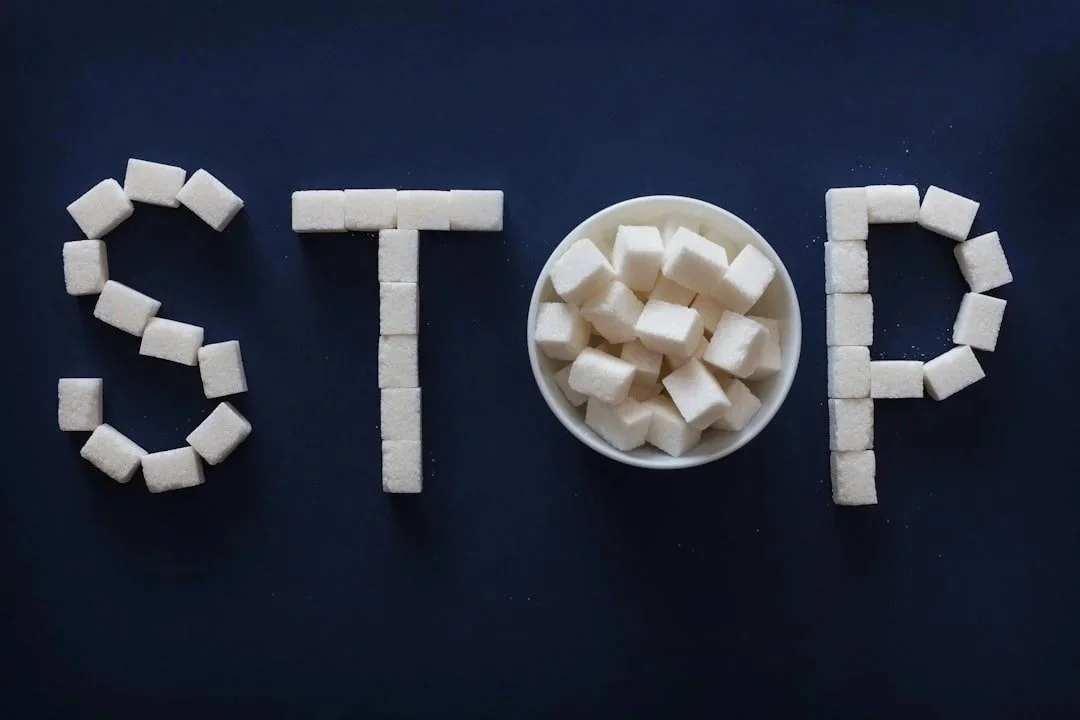
If you’ve found yourself wondering, “Am I addicted to sugar?” you’re not alone.
Many women notice that sugar cravings change dramatically in their late 30s and 40s. Foods that once felt neutral suddenly feel urgent. Cravings feel louder, more persistent, and harder to ignore, especially in the afternoon, at night, or during stressful periods.
Because the experience feels compulsive, many women assume the problem is a lack of discipline or an addiction to sugar.
But in most cases, that assumption is wrong.
What’s actually happening is a combination of hormonal shifts and blood sugar imbalance, not a loss of willpower.
Understanding the difference is the key to finally resolving sugar cravings without restriction, shame, or endless resets.
Why So Many Women Believe They’re Addicted to Sugar After 35
Sugar addiction is rarely a concern in your 20s.
Earlier in life, you may have eaten sweets without much thought. You could skip dessert easily. If you overindulged one day, your appetite naturally regulated the next.
So when sugar suddenly feels harder to control later in life, the most common conclusion is:
“Something is wrong with me.”
But the real change isn’t psychological — it’s physiological.
After about age 35, women enter perimenopause, a hormonal transition that can last 5–10 years or longer. During this time, estrogen and progesterone fluctuate unpredictably. These hormones directly influence insulin sensitivity and glucose regulation.
At the same time, years of dieting, under-eating, stress, skipped meals, and inconsistent nutrition quietly weaken blood sugar regulation.
When hormonal fluctuations collide with unstable blood sugar, cravings intensify.
Because the experience feels urgent and repetitive, it’s often mislabeled as sugar addiction.
What Sugar Addiction Actually Is and Isn’t
True addiction involves reward-seeking behavior that persists regardless of physical need.
If sugar addiction were the primary issue, cravings would:
• occur regardless of meal timing
• persist even when blood sugar is stable
• not improve with adequate protein and fiber
• be driven mainly by emotional reward, not physical relief
In reality, most women who believe they’re addicted to sugar don’t crave it constantly.
They crave it at very predictable metabolic and hormonal moments:
• mid-afternoon energy crashes
• after dinner
• during high stress
• when meals are skipped or too light
• in the luteal phase before menstruation
Addiction does not follow hormonal cycles or blood sugar patterns.
Biology does.
Hormones Don’t Create Cravings. They Amplify Them
Hormonal cravings are not a character flaw.
During perimenopause, estrogen becomes erratic. Estrogen plays a key role in how sensitive your cells are to insulin. When estrogen fluctuates, insulin sensitivity temporarily decreases.
This means:
• blood sugar rises higher after meals
• blood sugar drops faster afterward
• energy becomes less stable
Your brain doesn’t interpret this as a hormone issue.
It interprets it as a threat to energy availability.
And the fastest way to restore energy?
Sugar.
This isn’t emotional eating.
It’s metabolic compensation.
Blood Sugar Imbalance: The Missing Link
Here’s the most important piece most women are never taught:
Hormones don’t cause cravings on their own.
They magnify existing blood sugar instability.
If blood sugar regulation is already fragile, perimenopause removes the buffer that once kept things manageable.
This is why so many women say:
“Nothing changed, but suddenly everything feels harder.”
Blood sugar imbalance has often been developing quietly for years. Hormonal shifts simply make it visible.
Signs your cravings are blood sugar–driven include:
• cravings paired with fatigue or shakiness
• feeling better briefly after eating sugar, then worse again
• needing sugar to function, not just enjoy
• waking tired despite adequate sleep
• feeling calm and clear after balanced meals
These are not signs of addiction.
They are signs of glucose instability.
Why Restricting Sugar Makes Cravings Worse
When women believe they’re addicted to sugar, the natural response is restriction.
No sugar.
No carbs.
No fruit.
No flexibility.
But restriction without blood sugar stabilization increases insulin volatility. Cortisol rises. Hunger hormones become dysregulated. Cravings intensify.
When sugar eventually reappears, as it always does, it feels uncontrollable, reinforcing the addiction narrative.
This cycle keeps women stuck, frustrated, and blaming themselves.
The issue isn’t lack of discipline.
The issue is a strategy that ignores metabolic reality.
How to Tell If It’s Addiction or Biology
Here’s the most revealing question you can ask:
Do my cravings improve when my blood sugar is stable?
If the answer is yes — even partially — this is not addiction.
When blood sugar stabilizes, many women notice:
• cravings become quieter
• sugar feels optional rather than urgent
• portion control returns naturally
• food decisions feel calmer
• the emotional charge around sweets fades
Addiction does not resolve with metabolic regulation.
Blood sugar–driven cravings do.
Why Willpower Has Never Been the Solution
If willpower were the answer, it would have worked by now.
Most women struggling with sugar cravings are disciplined, motivated, and deeply invested in their health. They’ve tried detoxes, eliminations, mindset work, and strict plans.
The problem is that willpower cannot override insulin signaling, hormonal fluctuation, or glucose availability.
Once blood sugar stabilizes, willpower becomes unnecessary because the urge itself quiets.
What Actually Helps Reduce Sugar Cravings
The goal is not to eliminate sugar.
The goal is to restore metabolic safety so your body no longer needs to demand it.
That starts with:
• consistent meal timing
• adequate protein at every meal
• fiber-rich carbohydrates that slow glucose absorption
• stabilizing insulin before focusing on hormones
• reducing stress-driven cortisol spikes
When blood sugar is stable, hormonal symptoms become easier to manage, not the other way around.
The Better Question to Ask
Instead of asking:
“Am I addicted to sugar?”
Ask:
“Is my body getting consistent, reliable access to energy?”
Because when the answer becomes yes, cravings stop feeling like a battle and start feeling like information.
And that’s where real, sustainable change begins.
If This Sounds Like You
If sugar feels harder to control after 35…
If cravings feel biological, not emotional…
If hormone fixes haven’t resolved the issue…
It’s not addiction.
It’s blood sugar imbalance, amplified by hormonal change.
And once the right system is supported first, everything else gets easier.
Ready to Stop Fighting Sugar Cravings?
If sugar feels harder to control than it used to, it’s not because you’re addicted or lacking discipline.
It’s because your body is asking for metabolic stability, not more restriction.
In my Sugar Reset Method, we focus on stabilizing blood sugar first so cravings calm naturally, energy becomes reliable again, and food stops feeling like a constant mental battle.
This is not a detox, a willpower challenge, or a hormone “fix.”
It’s a structured, biology-based approach designed for women over 35 whose bodies no longer respond to old strategies.
👉 Start with my 7-Day Sugar Reset Guide to learn how to support blood sugar without cutting foods, counting calories, or fighting cravings.
👉 Or explore how the Sugar Reset Method can help you restore metabolic balance long-term.
When the right system is supported first, everything else gets easier, including sugar.
To Your Health,
Sarah Seguin,
NUTRITIONAL GARDENS
Certified Nutrition Practitioner
Metabolic Balance Coach
Horticulturist