
Container Gardening for Beginners
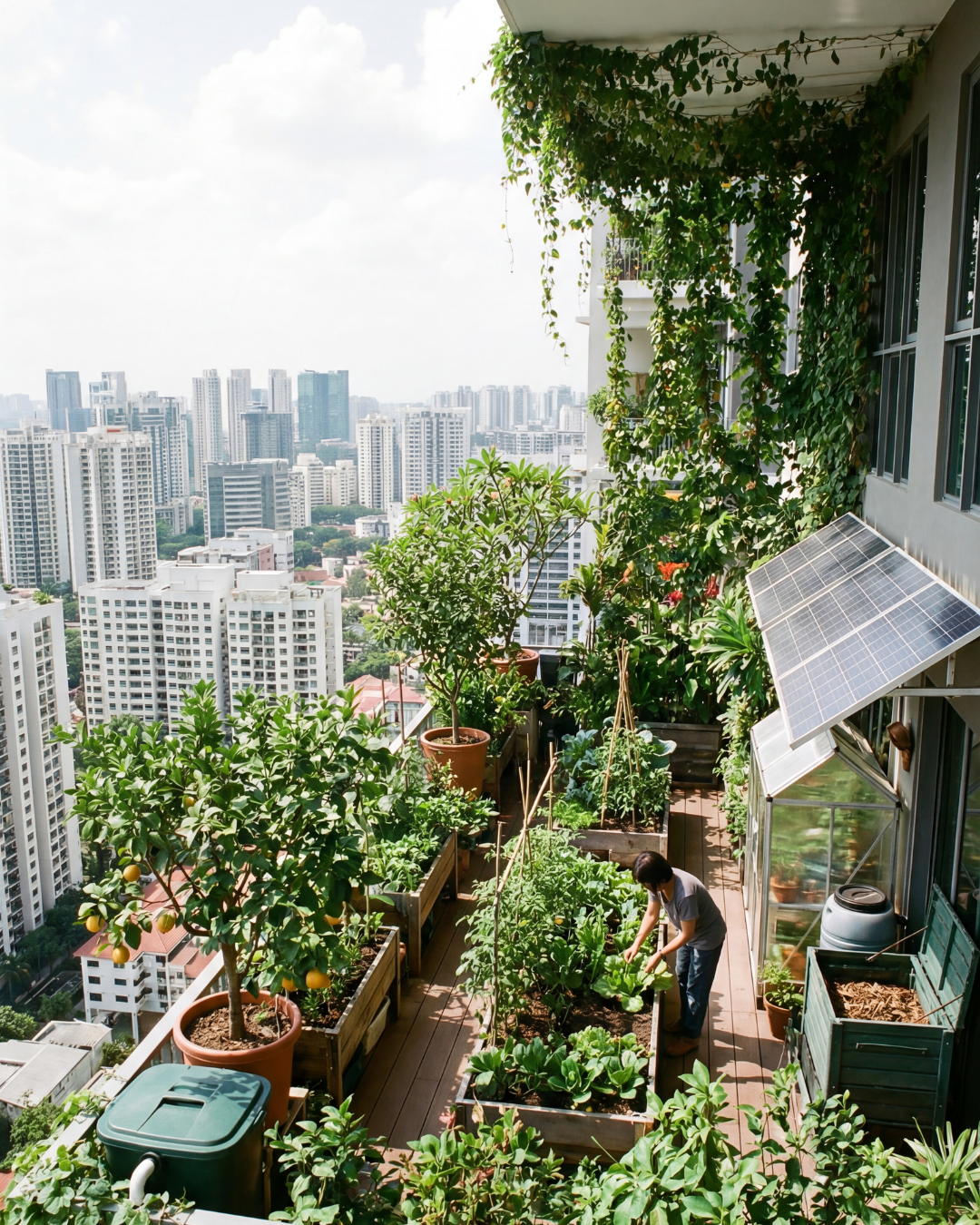
Urban Metabolic Garden Series :
Grow Blood Sugar Balancing Foods in Small Spaces
For the month of February, this Urban Metabolic Garden series is about showing you how everyday environments quietly shape blood sugar, insulin sensitivity, cravings, and energy, often without you realizing it.
Especially if you live in an apartment, condo, or somewhere without a traditional yard.
I hear this all the time.
“I’d love to grow food, but I don’t have land.”
“I live in a condo, so gardening isn’t really an option.”
“I’ll focus on food choices instead.”
Here’s the truth.
You don’t need land to grow insulin supportive food.
You just need a container, a bit of intention, and an understanding of how small systems can make a big difference metabolically.
Yesterday, we talked about how a balcony garden can support blood sugar stability by making fibre rich foods easier to eat and by calming the nervous system.
Today, I want to make this practical.
I want to walk you through container gardening the same way I would if we were chatting over coffee and you said, “Okay, but how do I actually do this?”
Why I Care So Much About Container Gardening for Blood Sugar
From a nutrition perspective, blood sugar regulation is not just about what you eat. It is about what is available to you when you are hungry, tired, stressed, or short on time.
From a horticulture perspective, container gardening is one of the easiest ways to bring nourishing food closer to your daily life.
When those two worlds meet, something really powerful happens.
When vegetables and herbs are growing right outside your door or near your kitchen window, meals naturally change. Not because you are forcing them to, but because fibre rich foods become the default.
You start adding greens without thinking. You grab herbs because they are right there. You build meals around what you have instead of what you are trying to avoid.
That shift alone supports steadier blood sugar and lower insulin demand.
Why Small Gardens Actually Work Really Well
People often assume small gardens are not worth the effort.
Metabolically, that is not true.
Blood sugar stability does not come from eating a mountain of vegetables once a week. It comes from steady, consistent fibre intake across meals and days.
Container gardening encourages that pattern.
You are not harvesting everything at once. You are picking a bit here and there and actually using it. A handful of spinach at lunch. Fresh herbs at dinner. Greens added before anything starchy hits the plate.
That is exactly how the body prefers to handle glucose.
Steady input. Less spiking. Less crashing.
In many ways, small gardens support blood sugar better than large seasonal gardens because they fit into real life.
Fibre Is the Star Player Here
If blood sugar balance had a main character, it would be fibre.
Fibre slows how quickly glucose enters the bloodstream. It feeds beneficial gut bacteria that influence insulin sensitivity. It helps you feel satisfied longer so you are not chasing quick energy.
Container gardens naturally favour fibre rich foods because of what grows well in them. Leafy greens, herbs, beans, peas, and compact vegetables tend to thrive in containers.
These foods are naturally lower glycemic and easier on blood sugar.
When fibre intake goes up, insulin demand goes down. When insulin demand goes down, cells start responding better again.
This is one of the simplest ways to support metabolic repair without micromanaging food.
Choosing Containers Without Overthinking It
You do not need fancy containers.
What you do need is enough space for roots to grow steadily.
Shallow containers dry out quickly and stress plants. Stressed plants tend to be less nutrient dense. Deeper containers hold moisture and nutrients more consistently.
From a nutrition standpoint, that matters.
Minerals like magnesium and potassium play a role in insulin signaling. Vegetables grown in stable conditions tend to deliver more of these minerals.
Bigger container does not mean bigger workload. It usually means healthier plants and better food.
If you are ever unsure, go slightly bigger than you think you need.
Soil Matters More Than Most People Realize
As both a nutritionist and a horticulturist, this is where I get a little passionate.
The nutrition in your vegetables comes from the soil. Period.
Container gardening gives you full control over soil quality, which is actually a huge advantage.
Using a good quality container soil with organic matter supports healthy microbes. Those microbes help plants access minerals that later support your blood sugar regulation.
Magnesium helps insulin work properly. Chromium supports glucose uptake. Zinc influences insulin storage.
These nutrients do not magically appear. They are pulled from the soil.
When you grow food in living soil, you are essentially growing metabolic support.
What I Recommend Growing First
You do not need to grow everything.
Start with foods that actually support blood sugar and that you will use regularly.
Leafy greens are always my first recommendation. Spinach, kale, Swiss chard, and lettuce are forgiving, productive, and incredibly supportive for glucose regulation.
Herbs are another favourite. They are easy, they do not take up much space, and they quietly improve metabolic health. Parsley, basil, cilantro, thyme, rosemary, and oregano all contain compounds that support insulin sensitivity.
Beans and peas work well in containers and give you slow digesting carbohydrates paired with fibre and protein. That combination is very blood sugar friendly.
Tomatoes and peppers are fine too, especially when you eat them with fibre rich meals. Home grown versions tend to be gentler on blood sugar than store bought ones.
The goal is not perfection. It is consistency.
Indoor Container Gardening in Canada
Because we live in Canada, indoor gardening matters.
Winter is often when blood sugar regulation feels harder. Less movement, less sunlight, more stress, and fewer fresh foods.
Indoor container gardens help fill that gap.
A sunny window goes a long way. Grow lights can help if needed, but they do not need to be complicated.
More than anything, indoor gardening keeps routine alive during colder months. Watering, checking plants, harvesting a few leaves. These small actions anchor your day.
They also calm the nervous system, which matters more for blood sugar than most people realize.
How Gardening Helps You Read Hunger Better
One thing I see often in practice is that people with blood sugar issues struggle to tell when they are truly hungry versus when they are craving quick energy.
Gardening helps with that.
Spending time with plants slows you down. Touching soil, watching growth, caring for something living all help settle the nervous system.
When the nervous system is calmer, your body gets better at sending clear hunger signals.
That is why people often notice fewer evening cravings once they start gardening, even in small ways.
Making Food Decisions Easier
Decision fatigue is real.
When every meal feels like a negotiation, blood sugar tends to suffer.
Container gardens remove some of that mental load. When vegetables are already there, the decision is made before hunger gets intense.
You add greens because they are available. You start meals with fibre because it is easy.
This is why environment design works better than willpower.
Why Beginners Usually Do Great With This
Beginners tend to keep things simple.
They start small. They pay attention. They actually use what they grow.
From a metabolic standpoint, that is exactly what we want.
One container that you use regularly will support your blood sugar more than ten containers that overwhelm you.
You do not need to be a gardener to do this well. You just need to start.
Where Container Gardening Fits Into Metabolic Healing
Container gardening will not fix insulin resistance on its own.
But it supports everything else you are doing.
It increases fibre intake.
It improves food quality.
It stabilizes routines.
It reduces stress hormones.
It makes nourishing choices easier.
That is why food environment design is always part of sustainable metabolic repair.
Final Thoughts
You do not need land to grow insulin supportive food.
You need access, routine, and systems that work with your body instead of against it.
Container gardening gives you that, even in small spaces.
Throughout February, this Urban Metabolic Garden series will keep exploring how everyday environments shape blood sugar and insulin sensitivity.
Tomorrow, we will look at light exposure, both for plants and for you, and why it matters more than most people think.
Metabolic health is not built through restriction.
It is built through thoughtful systems that quietly support you.
Ready to Support Your Blood Sugar Beyond the Garden
If energy crashes, sugar cravings, or unstable eating patterns feel familiar, your body is asking for support, not stricter rules.
You can start now.
Download the 7 Day Sugar Reset Guide to learn how to stabilize blood sugar and reduce cravings using simple, practical foundations.
If you want deeper support, you can also book a discovery call to see whether the Sugar Reset Method, a 15 week metabolic balance program, is the right next step for you.
This February, we build metabolic stability one small system at a time.
To Your Health,
Sarah Seguin,
NUTRITIONAL GARDENS
Certified Nutrition Practitioner
Metabolic Balance Coach
Horticulturist