
Small Space Gardening: Start a Balcony Food Garden in 60 Minutes
If you have one hour, you can change your food environment.
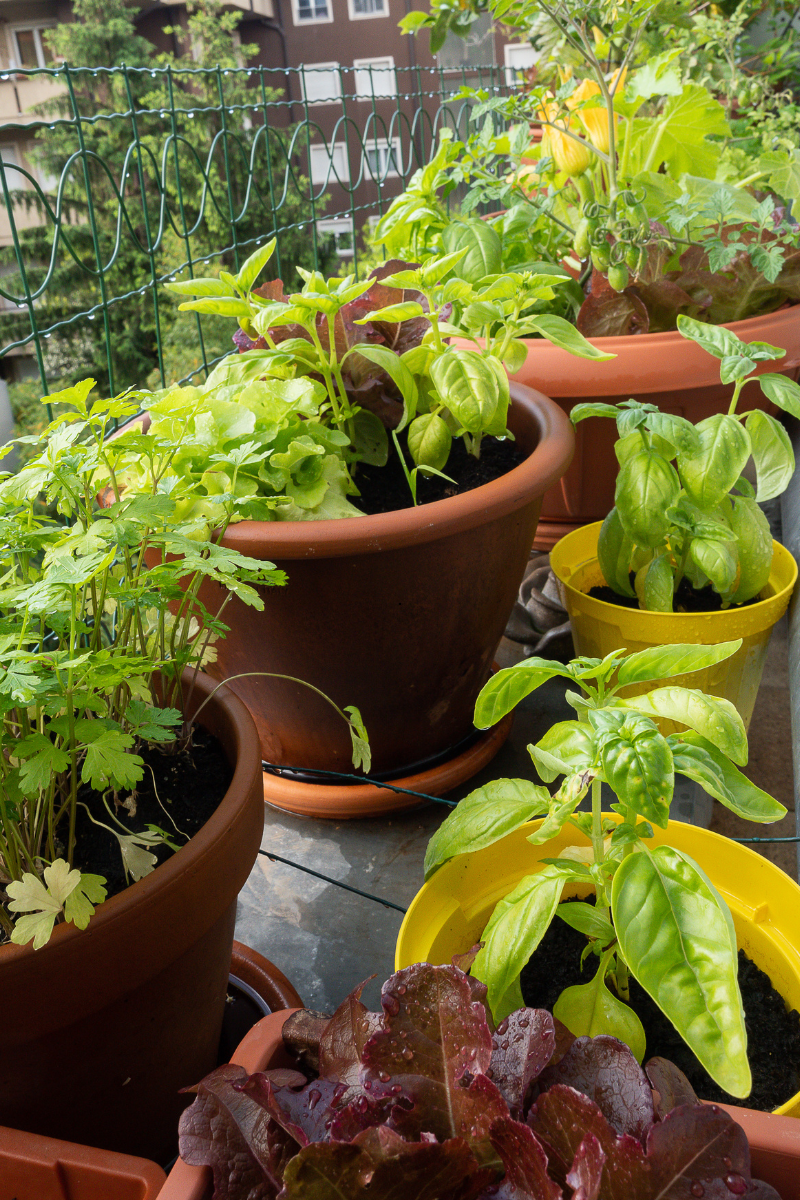
You Don’t Need More Willpower. You Need a Better Food Environment
Most people assume better blood sugar control starts with motivation.
More discipline.
More rules.
More “starting again on Monday.”
But metabolically speaking, willpower is one of the weakest tools we have.
Blood sugar stability is not just about what you eat, it’s about how easy it is to access the foods that stabilize insulin in the first place.
And this is where small space gardening becomes quietly powerful.
If you live in an apartment or condo, your balcony (or even a bright window) can become a metabolic support system. One that works with your physiology instead of against it.
You don’t need land.
You don’t need a green thumb.
You don’t need an entire weekend.
If you have 60 minutes, you can change your food environment in a way that meaningfully supports blood sugar regulation.
Why Small Space Gardening Supports Blood Sugar (Without Feeling Like “Health Work”)
When insulin resistance is present or beginning, the body becomes less tolerant of glucose spikes. Fiber, micronutrients, and plant diversity become non-negotiable, not optional.
But here’s the disconnect I see constantly in practice:
People know vegetables help
People want to eat better
But access + effort still matter more than intention
Small space gardening removes several metabolic barriers at once.
1. It lowers the effort threshold
When food is already growing where you live:
No shopping trip required
No packaging to deal with
No “I’ll cook tomorrow” delay
Lower effort = higher consistency
Higher consistency = better glycemic control over time
2. It increases fiber diversity naturally
Even one balcony container can support:
Leafy greens
Herbs
Microgreens
This diversity feeds the gut microbiome, slows glucose absorption, and improves insulin signaling, without tracking, counting, or restriction.
3. It reduces stress around food choices
Blood sugar dysregulation is closely tied to the nervous system.
When food feels abundant, fresh, and visually present, the body reads safety. Cravings soften. Decision fatigue drops.
This is not psychological fluff, it’s physiology.
The “60-Minute Balcony Garden” Framework
This is not about creating a Pinterest garden.
This is about strategic food access.
Here’s how to set up a functional, insulin-supportive balcony food garden in one focused hour.
Step 1 (10 minutes): Choose the Right Containers
You do not need fancy planters.
What you need is:
Drainage holes
Enough depth for roots
Something you won’t resent watering
Best beginner options:
10–12 inch pots for leafy greens
Rectangular balcony planters for herbs
Shallow trays for microgreens
If you’re renting or space is tight, lightweight containers are ideal. Function beats aesthetics every time.
Step 2 (10 minutes): Use the Right Soil (This Matters More Than the Plant)
Most beginner failures come down to soil, not lack of skill.
Plants grown in depleted soil produce fewer minerals. That means less nutrient density on your plate.
Look for:
Organic potting soil (not garden soil)
Added compost or worm castings
Good drainage and moisture retention
Healthy soil = better mineral uptake = better metabolic support from the food you grow.
This is where “soil to plate” becomes literal.
Step 3 (15 minutes): Pick Blood Sugar Supportive Plants
You are not growing calories here.
You are growing metabolic regulators.
Best plants for small spaces and insulin support:
Lettuce mixes
Spinach
Arugula
Kale (baby varieties)
Basil, parsley, cilantro
Green onions
Microgreens (radish, broccoli, pea shoots)
These plants:
Grow quickly
Tolerate containers
Provide fiber, magnesium, potassium, and phytonutrients
You can harvest some in as little as 10–14 days.
Fast feedback builds consistency.
Step 4 (10 minutes): Position for Light (Not Perfection)
Most people overthink sunlight.
You do not need full sun all day.
What you’re aiming for:
4–6 hours of decent light
Morning light if possible
Protection from extreme wind
South-facing balconies are ideal, but east or west can still work beautifully with leafy greens.
No balcony? A bright window + microgreens still counts.
Step 5 (15 minutes): Plant + Water Once Properly
This is where people rush and regret it later.
Take your time:
Fill containers loosely
Don’t compact the soil
Water thoroughly until it drains
Then pause.
That first watering sets the tone for root development and plant resilience.
Strong roots = consistent growth = reliable food access.
What You’ve Actually Built in 60 Minutes
You didn’t just plant vegetables.
You changed:
Your food environment
Your relationship with effort
Your daily access to fiber-rich foods
This is how metabolic change becomes sustainable.
Not by doing more but by removing friction.
Why This Matters Especially in Canada
Urban Canadians face unique barriers:
Short growing seasons
Limited access to community gardens
Rising grocery costs
Increasing food quality variability
For many apartment dwellers, balconies and windowsills are not a “nice extra”, they are the only viable option.
Small space gardening is not a hobby here.
It’s a resilience tool.
Blood Sugar Regulation Is Built Into Your Environment
This is the part most programs miss.
You cannot out-educate an environment that makes poor choices easier than good ones.
But you can redesign your space so that:
Fiber is visible
Greens are automatic
Nutrition feels accessible, not forced
Your balcony can quietly do what willpower never could.
If You Want Help Designing a Metabolic-Supportive Food System
This blog is part of my Urban Metabolic Garden series, where gardening, nutrition, and insulin regulation intersect.
If blood sugar swings, cravings, or “doing everything right but nothing changes” feels familiar, that’s not a personal failure.
It’s a systems problem. And systems can be redesigned.
Your health doesn’t start on your plate. It starts before the food ever gets there.
Ready to Stabilize Your Blood Sugar. Not Just Grow Food?
A balcony garden can change your food environment.
But real metabolic change happens when food, blood sugar, and physiology are aligned.
If you’re dealing with:
Persistent sugar cravings
Energy crashes
Weight gain that doesn’t respond to “doing all the right things”
Blood sugar instability, insulin resistance, or prediabetes
This isn’t about trying harder.
It’s about resetting the metabolic signals driving those symptoms.
The Sugar Reset Method
My signature 15-week metabolic balance program is designed to:
Stabilize insulin and blood sugar first
Reduce cravings at the physiological level
Support hormones as a downstream result
Build sustainable habits that actually stick
This is the same insulin-first framework I use with clients who feel stuck, frustrated, and confused about why their body stopped responding.
👉 Learn more about The Sugar Reset Method
👉 Book a discovery call to see if it’s the right fit for you
You don’t need more discipline.
You need a strategy that works with your biology and a food environment that supports it.
To Your Health,
Sarah Seguin,
NUTRITIONAL GARDENS
Certified Nutrition Practitioner
Metabolic Balance Coach
Horticulturist