
Herbs That Support Blood Sugar Stability
Grow Them Indoors Your herb garden can regulate more than flavor.
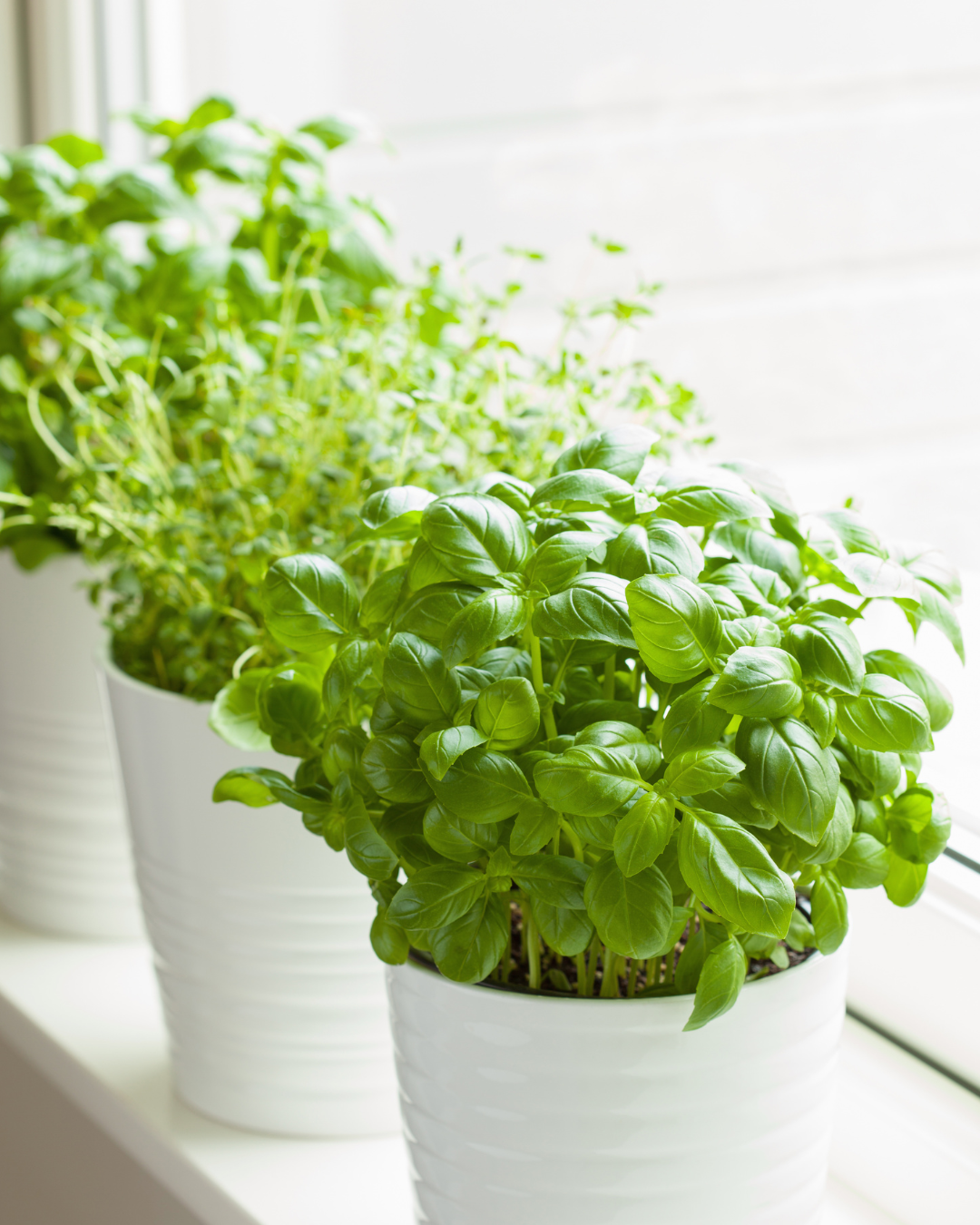
The Urban Metabolic Garden Series
This article is part of The Urban Metabolic Garden, a February blog series exploring how small space gardening, soil quality, and food environments directly influence blood sugar regulation, insulin sensitivity, and metabolic health. Throughout the month, I am publishing one new blog each day to show how even apartments, condos, balconies, and indoor spaces can be used to support metabolic safety, without land, perfection, or overwhelm. Each post builds on the last, connecting soil to plant to plate to physiology, so you can understand not just what to do, but why it works.
Blood Sugar Regulation Does Not Start With Restriction
Most people think blood sugar stability comes from removing foods.
Less sugar.
Less carbohydrates.
Less flexibility.
But from a physiological perspective, blood sugar regulation improves most reliably when the body feels nourished, supported, and safe.
Herbs are often overlooked because they are used in small amounts. But metabolically, herbs are not garnish. They are concentrated sources of bioactive compounds that influence digestion, insulin signaling, inflammation, and glucose handling.
When grown fresh and used consistently, herbs become a quiet but powerful metabolic tool.
Why Herbs Matter More Than People Realize
Herbs contain compounds that plants use to protect themselves. When humans consume those same compounds, they influence cellular communication.
From a blood sugar and insulin lens, herbs can:
Support insulin sensitivity
Reduce post meal glucose spikes
Improve digestive signaling
Support liver pathways involved in glucose regulation
Increase satiety without increasing calories
Fresh herbs are especially potent because volatile oils degrade quickly after harvest. When you grow herbs indoors and use them fresh, you access compounds that rarely survive long supply chains.
This is one of the most practical ways to increase nutrient density in small spaces.
Indoor Herb Gardening Is Ideal in Canada
Canadian winters create a predictable problem.
Fresh produce quality drops.
Herb prices increase.
Access becomes inconsistent.
Indoor herb gardens solve this without requiring advanced skills.
Herbs:
Require minimal space
Grow well in containers
Respond well to indoor light
Regrow repeatedly after harvesting
This makes them one of the highest return foods you can grow indoors for metabolic support.
How Herbs Influence Blood Sugar Physiology
Blood sugar regulation depends on multiple systems working together.
Digestion
Insulin signaling
Liver glucose storage and release
Inflammation control
Mineral balance
Herbs support these systems simultaneously.
Some stimulate digestive enzymes. Some improve insulin sensitivity at the cellular level. Others reduce inflammation that interferes with insulin signaling.
Used consistently, they shift the metabolic environment in a way that reduces the need for glucose spikes to compensate.
Cinnamon Basil
A Blood Sugar Supporting Herb You Can Grow
Cinnamon basil is often overlooked in favor of culinary basil, but metabolically it offers unique benefits.
It contains compounds similar to cinnamon that support insulin sensitivity and glucose uptake. Unlike cinnamon powder, fresh cinnamon basil provides these compounds alongside fiber and plant enzymes.
Cinnamon basil:
Supports post meal blood sugar regulation
Adds natural sweetness without sugar
Grows well indoors with adequate light
Use it fresh in salads, eggs, or infused into warm water or tea.
Fenugreek
A Traditional Blood Sugar Herb You Can Grow at Home
Fenugreek has a long history of use in blood sugar regulation.
It contains soluble fiber compounds that slow glucose absorption and improve insulin response. Most people encounter fenugreek as a supplement or spice, but it can be grown as a leafy green and herb indoors.
Fenugreek greens:
Support glucose regulation
Provide fiber and minerals
Have a mild bitter profile that improves digestion
They grow quickly and tolerate indoor conditions well.
Parsley
Mineral Support for Insulin Signaling
Parsley is one of the most underestimated herbs nutritionally.
It is rich in magnesium, potassium, and antioxidants that support insulin signaling and fluid balance. Mineral sufficiency is critical for blood sugar stability and parsley contributes meaningfully when used regularly.
Parsley:
Supports glucose metabolism
Provides chlorophyll and antioxidants
Grows easily indoors year round
Add generously to meals instead of using it as decoration.
Cilantro
Detoxification and Blood Sugar Regulation
Cilantro supports liver pathways involved in glucose storage and release. The liver plays a central role in blood sugar regulation and when it is overloaded or sluggish, glucose control becomes unstable.
Cilantro supports:
Liver detoxification pathways
Mineral balance
Digestive signaling
It grows quickly indoors and benefits from frequent harvesting.
Thyme
Anti Inflammatory Support for Insulin Sensitivity
Chronic inflammation interferes with insulin signaling. Thyme contains compounds that reduce inflammatory stress and support immune balance.
Thyme:
Supports insulin sensitivity indirectly
Enhances digestion
Adds flavor without blood sugar impact
It grows slowly but steadily indoors and thrives in containers.
Rosemary
Blood Sugar Support Through Stress Reduction
Stress hormones raise blood sugar. Rosemary supports nervous system regulation and circulation, indirectly supporting insulin balance.
Rosemary:
Supports stress resilience
Improves digestion
Enhances metabolic flexibility
It requires bright light but grows well indoors when conditions are right.
Bitter Herbs and Appetite Regulation
Many herbs have bitter compounds that stimulate digestive receptors.
Bitter signaling:
Improves insulin response
Reduces appetite dysregulation
Enhances nutrient absorption
This is one reason consistent herb use often reduces cravings without conscious effort.
How to Grow Herbs Indoors Successfully
Indoor herb gardening does not need to be complicated.
Key requirements:
Quality soil with organic matter
Containers with drainage
Consistent light
Moderate watering
Overwatering is the most common mistake. Herbs prefer slightly drier soil between waterings.
Light Requirements for Indoor Herbs in Canada
During winter months, supplemental light is often necessary.
Herbs do best with:
Twelve to sixteen hours of light daily
Full spectrum LED grow lights
Light positioned close to plants
Consistency matters more than intensity.
Harvesting Herbs for Maximum Metabolic Benefit
Frequent harvesting encourages growth and increases volatile oil production.
Harvest tips:
Cut from the top to encourage branching
Use herbs fresh when possible
Add herbs after cooking to preserve compounds
Fresh use maximizes metabolic impact.
How Herbs Fit Into a Blood Sugar Supportive Diet
Herbs are not a replacement for protein, fiber, or fats. They are amplifiers.
They:
Improve meal quality
Enhance digestion
Increase satisfaction
This makes blood sugar stability easier to maintain without restriction.
Why Growing Herbs Changes Behavior Automatically
When herbs are visible and accessible:
Meals become more intentional
Vegetables are used more often
Food feels fresher and more satisfying
This reduces reliance on processed foods and quick sugar sources without effort.
Gardening as a Metabolic Strategy
Growing herbs is not about productivity. It is about environment.
When the environment supports nourishment, the body responds with stability.
This is how gardening becomes metabolic support rather than a hobby.
If Blood Sugar Still Feels Unstable
Herbs are powerful, but they are one piece of the system.
If you experience:
Persistent sugar cravings
Energy crashes
Weight gain resistant to healthy eating
Signs of insulin resistance
Then your body needs structured metabolic support.
The Sugar Reset Method and 7 Day Sugar Reset Guide
If you want a clear, supportive starting point, begin with the 7 Day Sugar Reset Guide.
It walks you through:
Stabilizing blood sugar gently
Reducing cravings without restriction
Building meals that support insulin signaling
Understanding what your body is asking for
👉 Download the 7 Day Sugar Reset Guide
👉 Learn how to support blood sugar with strategy instead of willpower
Your herb garden can regulate more than flavor.
It can support your metabolism from the ground up.
To Your Health,
Sarah Seguin
NUTRITIONAL GARDENS
Certified Nutrition Practitioner
Metabolic Balance Coach
Horticulturist