
How to Grow Microgreens Indoors in Canada (No Backyard Needed)
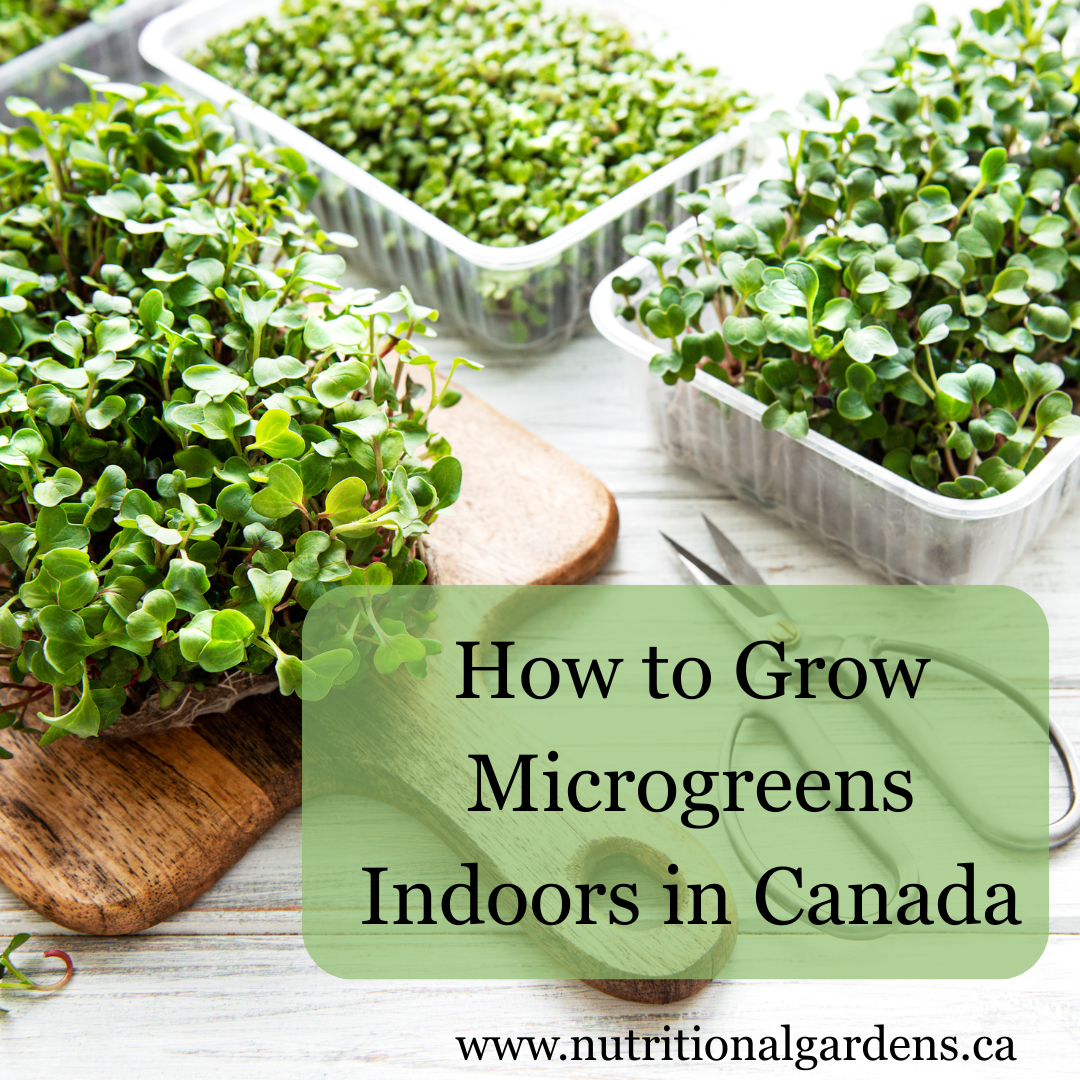
10 days to harvest. No backyard required.
When You Can’t Change the Weather, Change the Environment
Canadian winters don’t just limit sunlight.
They limit:
Access to fresh, nutrient-dense food
Consistency with vegetables
Motivation to “eat well” when everything feels heavy and beige
And for anyone dealing with blood sugar instability, insulin resistance, or persistent cravings, winter often makes things worse, not because you’re failing, but because your food environment collapses.
This is where microgreens quietly become one of the most powerful tools you can use indoors.
No backyard.
No balcony.
No special skills.
Just 10 days between planting and harvest and a direct impact on fiber intake, micronutrient density, and blood sugar regulation.
Why Microgreens Matter for Blood Sugar (Not Just Nutrition Trends)
Microgreens aren’t baby vegetables.
They’re concentrated metabolic support.
These young plants contain:
High levels of polyphenols
Bioavailable minerals
Compounds that support insulin signaling and inflammation control
From a metabolic lens, microgreens do three critical things:
1. They increase nutrient density without increasing calories
This matters when insulin resistance is present. You’re supporting cellular function without adding glucose load.
2. They improve meal quality without adding effort
Sprinkling microgreens on eggs, soups, salads, or leftovers immediately increases fiber and micronutrients — no cooking required.
3. They reduce reliance on imported winter produce
Which is often:
Less nutrient-dense
More expensive
Harvested weeks before it reaches your plate
Freshness matters metabolically.
Why Microgreens Are Ideal for Indoor Gardening in Canada
Most people give up on indoor gardening because:
Light feels complicated
Plants grow slowly
Results don’t feel worth the effort
Microgreens solve all three problems.
They:
Grow well under simple grow lights
Don’t require deep soil
Are harvested before most problems occur
This makes them perfect for apartments, condos, and winter months, especially when community gardens aren’t accessible or simply don’t exist in your area.
The Simple Indoor Microgreens Setup (Beginner-Friendly)
This is not a Pinterest project.
This is a functional indoor food system.
You can set this up in under 30 minutes!
Step 1: Choose Your Containers (5 minutes)
You don’t need fancy trays.
Look for:
Shallow trays (1–2 inches deep)
Drainage holes (or one tray nested inside another)
Something that fits on a shelf or counter
Many people use:
Microgreen trays
Reused produce containers
Baking trays with holes added
Function matters more than aesthetics.
Step 2: Use the Right Growing Medium (5 minutes)
Soil quality directly affects nutrient content, even for microgreens.
Your best options:
Organic seed-starting mix
Coconut coir
Organic potting mix sifted to remove chunks
Avoid:
Garden soil
Anything compact or heavy
Roots need air, even for short growth cycles.
Step 3: Pick the Best Microgreens for Blood Sugar Support
Start with varieties that are:
Fast-growing
Flavorful
Nutrient-dense
Beginner-friendly, insulin-supportive options:
Broccoli
Radish
Pea shoots
Sunflower greens
Kale
These varieties provide:
Fiber
Sulfur compounds
Antioxidants that support glucose metabolism
You don’t need variety at first, consistency matters more.
Step 4: Planting (10 minutes)
Here’s the simple process:
Fill tray with damp growing medium
Sprinkle seeds evenly (dense, but not piled)
Press gently, don’t bury deeply
Mist with water
Cover for 2–3 days to encourage germination
This short “dark phase” helps roots establish evenly.
Step 5: Light (The Part People Overthink)
You do not need an expensive setup.
A simple LED grow light works well, especially in winter.
Look for:
Full-spectrum LED
Adjustable height
Timer if possible
Microgreens need:
12–16 hours of light per day
Light placed 6–12 inches above plants
This is about consistency, not perfection.
Step 6: Watering (Less Is More)
Overwatering is the biggest mistake.
Best practice:
Bottom water when possible
Keep soil damp, not wet
Good airflow helps prevent mold
Microgreens are resilient when conditions are simple.
Harvest in 7–10 Days
Once the first true leaves appear:
Cut just above the soil line
Rinse gently
Store in the fridge for several days
That’s it.
You’ve just grown fresh food in winter — indoors — in under two weeks!
What This Does Metabolically
(The Part No One Explains)
Microgreens don’t “fix” insulin resistance on their own.
But they remove several barriers that make blood sugar regulation harder:
They increase vegetable intake without cooking
They improve micronutrient intake during winter
They make meals more satisfying and stabilizing
They reduce reliance on refined convenience foods
This is how metabolic change actually happens, not through restriction, but through environmental support.
Indoor Gardening Is a Nervous System Tool Too
There’s another layer here that matters.
Touching soil.
Watching growth.
Harvesting food you grew.
These activities reduce stress physiology and stress is one of the biggest drivers of blood sugar dysregulation.
You don’t need to label it as anything therapeutic.
Your body already knows.
If You Want More Than Just Better Greens
Growing microgreens is a powerful first step.
But if you’re dealing with:
Sugar cravings that feel out of control
Energy crashes
Weight gain resistant to “healthy eating”
Insulin resistance or prediabetes
Then food alone isn’t the full picture.
The Sugar Reset Method
My 15-week metabolic balance program is designed to:
Stabilize insulin first
Calm cravings at the physiological level
Support hormones as a downstream effect
Create sustainable change that actually sticks
This is not a detox.
This is not restriction.
This is about restoring metabolic safety.
👉 Book a discovery call to see if The Sugar Reset Method is right for you
👉 Learn how to support your blood sugar with a strategy built for real life
You don’t need a backyard.
You need the right system inside your home and inside your body.
To Your Health,
Sarah Seguin,
NUTRITIONAL GARDENS
Certified Nutrition Practitioner
Metabolic Balance Coach
Horticulturist