

Nutrition for Busy Women. How to Eat Well Without Losing Your Mind
Being busy is an understatement. Between work deadlines, family responsibilities, errands, and the constant notifications on your phone. It can feel impossible to eat well or even think about food in a calm, balanced way. If you’re like many women I work with, healthy eating often takes a backseat, and before you know it, sugar cravings, energy crashes, and frustration set in.
The truth is, nutrition for busy women isn’t about perfect meals, strict rules, or long prep sessions. It’s about practical strategies, small shifts, and tools that help you feel nourished, energetic, and in control even on your busiest days.
Who Am I? How Losing Touch With Yourself Leads to Sugar Cravings, Emotional Eating, and Dopamine Dependence
Discover how identity, emotional disconnection, and dopamine imbalances drive your cravings and how reconnecting to who you truly are helps you find freedom from sugar and ultra-processed foods.
Have you ever caught yourself standing in front of the fridge, mindlessly searching for something sweet… even when you weren’t hungry?
You might have thought, “Why am I doing this? What’s wrong with me?”
But what if I told you the real reason behind those cravings isn’t about lack of willpower, or even just habit, it’s about identity.
It’s about a question most people never stop to ask:
Who am I?
You Can’t Love if Your Brain Is Inflamed: How Brain Inflammation, Sugar Addiction & Metabolic Imbalance Steal Your Capacity for Connection
Have you ever wondered why even when you want to love and be loved, it still feels difficult? Why emotions feel muted, your responses are shorter than you want them to be, and connection sometimes seems just out of reach?
Often what we don’t see is that our brain health plays a crucial role in how we feel, how we connect and how we love. In fact, if your brain is silently inflamed, it may be limiting your capacity for emotional presence, vulnerability, and relational joy.
GLP-1 Drugs vs Fixing Your Metabolism: Why Your Sugar Cravings Are Telling You Something Bigger
If you’ve been struggling with sugar cravings, midlife weight gain, or that constant fatigue that never seems to lift, you may have heard of GLP-1 drugs. These medications, often prescribed for weight management or type 2 diabetes, promise appetite suppression, reduced cravings, and easier weight loss. They’re being talked about everywhere, and it’s easy to understand why, who wouldn’t want to feel in control of their cravings without the endless fight against sugar and processed foods?
But here’s the reality: while these drugs may help in the short term, they don’t fix the underlying issue…your metabolism. And for women like you, who are ready to feel more energetic, more in control, and genuinely in love with life, there’s a better way: the Metabolic Balance program.

So Maybe You’ve Heard This Word “Mitochondria” What Is It? and Why Should You Care?
So, you’ve probably heard the term “mitochondria” thrown around in wellness circles, fitness podcasts, or on social media. It sounds complicated, but the truth is, mitochondria are literally your body’s energy powerhouses, and they play a huge role in your metabolism, cravings, and overall health.
Understanding mitochondria is a game-changer if you want to regulate sugar cravings, feel more energetic, and finally support your metabolism in a way that actually works. Let’s break it down in simple terms.
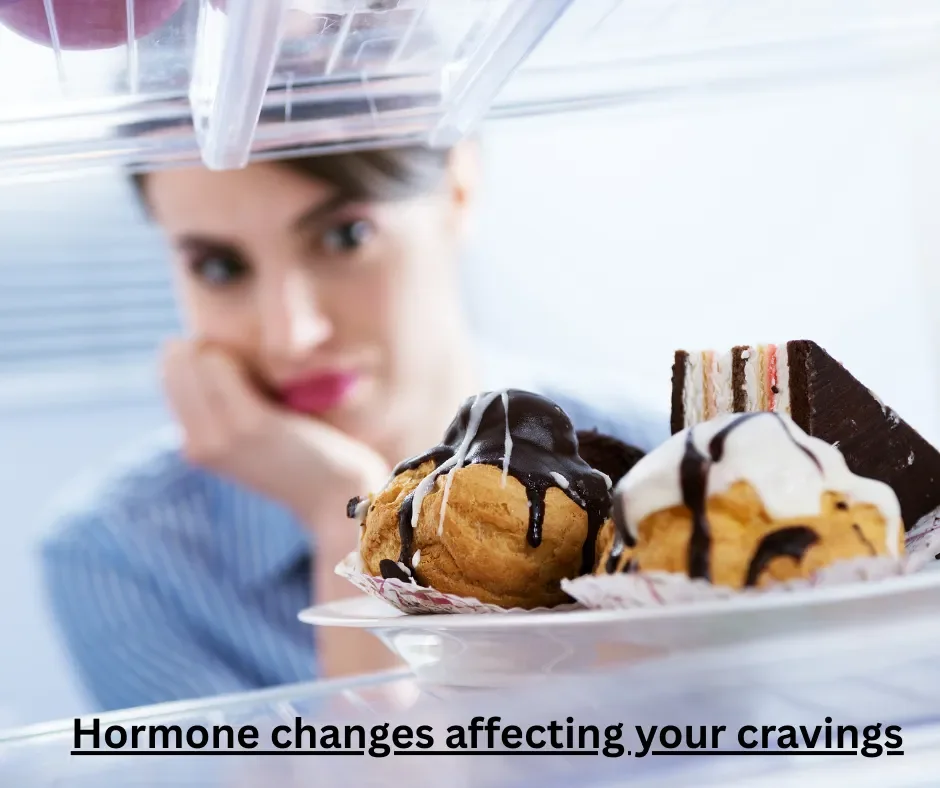
How Hormonal Changes in Perimenopause Affect Your Insulin & Cravings
Many women in perimenopause feel like their bodies have suddenly turned against them. You eat well, exercise, and try to make healthy choices, yet sugar cravings hit you mid-morning or mid-afternoon. You notice stubborn weight gain around your waistline, feel fatigued, and sometimes struggle to focus. You may have even tried diets or extreme restrictions, only to feel frustrated and defeated when results didn’t come. If this sounds familiar, let me reassure you: this is not a lack of willpower. Your body is undergoing significant hormonal shifts that directly impact insulin, metabolism, and appetite.
I help women understand these changes and take actionable steps to regain control over their eating, cravings, and overall energy. Let’s dive into what’s really happening and what you can do about it.

Why Strength Training Is the Missing Piece for Women in Perimenopause
If you are a woman in perimenopause who is tired of stubborn weight gain, low energy, sugar cravings, bloating, mood swings, irritability, and the feeling that your body is working against you, then you are not alone.
Thousands of women just like you are searching for answers every single day. You try eating cleaner, you try walking more, you try cutting sugar, and even when you are doing everything “right,” the scale barely moves, your cravings still show up, and your energy dips by early afternoon.
This is not a lack of effort. This is not a lack of willpower. This is a shift in your hormones, metabolism, muscle mass, and insulin sensitivity that begins years before menopause ever arrives. And one of the most powerful, overlooked, and transformational tools for navigating these changes is strength training.
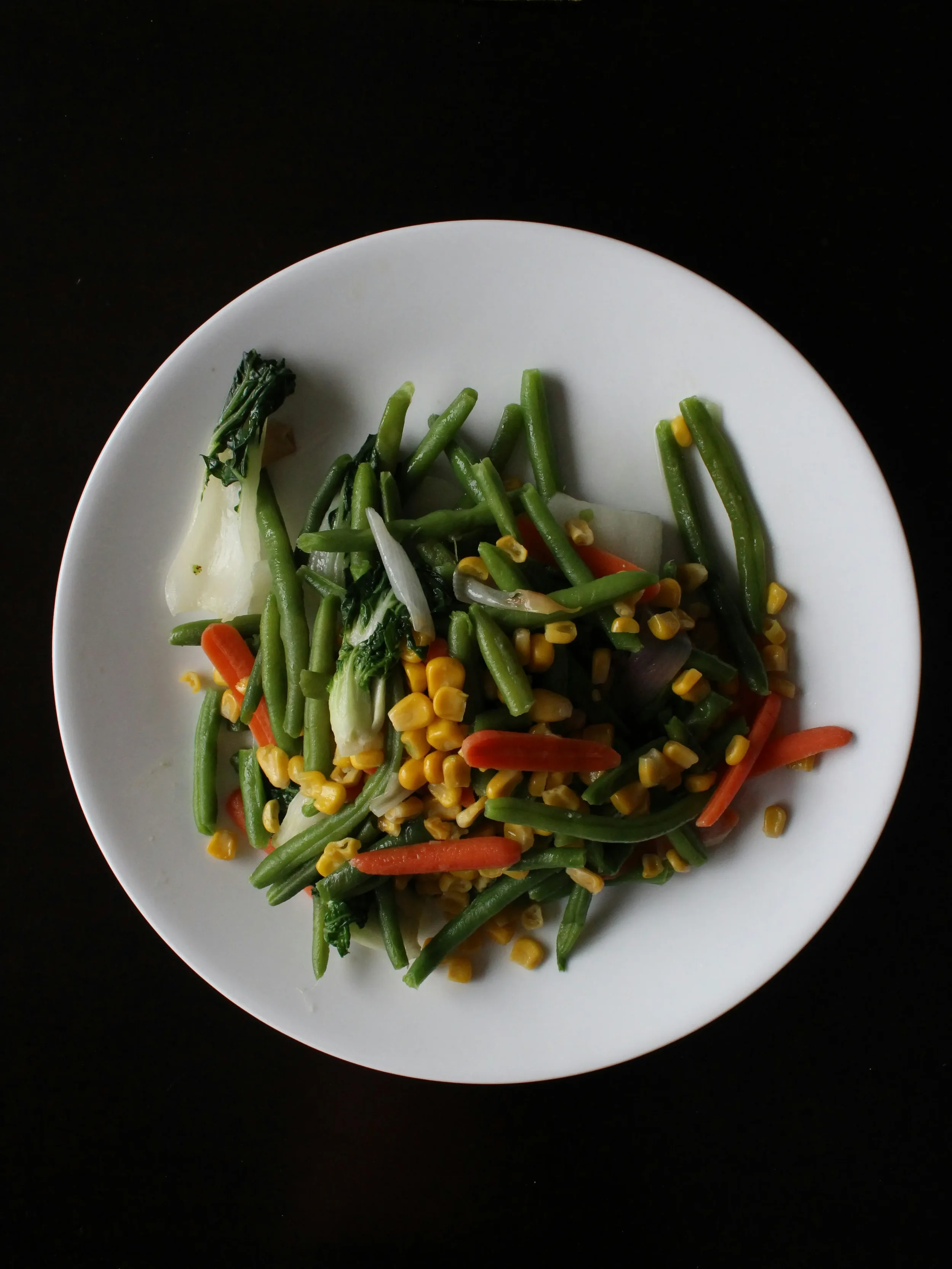
Why Starting With Vegetables Can Transform Your Blood Sugar Stability
For women in perimenopause, stabilizing blood sugar often feels like an exhausting cycle of trying, hoping, and still feeling defeated. You make healthy choices, you try not to snack, you drink water, you prepare meals with the best intentions… and yet mid-morning or mid-afternoon cravings show up like clockwork. It’s frustrating, it feels unpredictable, and it makes you wonder, What am I doing wrong?
The truth is: you’re not doing anything wrong. Your body is changing, your hormones are shifting, and your metabolism is responding differently than it used to. The rules have changed but no one teaches women in midlife what those new rules even are.

Preparing Your Body for the Holidays When You’re in Perimenopause (Without “Being Good”)
The holidays are coming, and for so many women in perimenopause, this time of year brings a complicated mix of joy, anticipation, overwhelm, and pressure. One moment you can feel excited about the cozy evenings, the gatherings, the food, and the traditions, and in the next moment you feel like you are white knuckling your way through cravings, bloating, exhaustion, and the belief that you need to “be good” so you do not lose control.
If you are nodding along, you are not alone. Almost every woman I support tells me the same thing this time of year: “I want to enjoy the holidays, but I am scared of how my body will react.”
This fear usually comes from experiences like:
Feeling physically uncomfortable after holiday meals
Struggling with cravings that feel louder than usual
Gaining weight quickly and not understanding why
Feeling stressed, tired, emotional, or wired at night
Trying to follow rules during the holidays that only backfire later

Why Perimenopause Makes Sugar Cravings WORSE and What to Do About It
If you’re in your late 30s, 40s, or early 50s and suddenly feel like you’ve lost control over sugar cravings, you’re not imagining it and you’re definitely not lacking discipline. Perimenopause brings powerful hormonal changes that directly impact blood sugar, hunger hormones, stress levels, and your brain’s reward pathways.
Most women think:
“Why do I suddenly want sugar ALL THE TIME?”
“Why am I fine all day and then crash and binge at night?”
“Why do cravings hit so hard after 3pm?”
“Why does it feel like my willpower disappeared?”
Here’s the truth:
Your cravings aren’t about willpower. They are a metabolic response to hormonal shifts during perimenopause.
Let’s break down exactly what’s changing and exactly how to fix it.

The Hormone & Craving Connection: What Doctors Never Explain About Perimenopause
If you’re a woman in your late 30s, 40s, or early 50s, you may have noticed a shift in your cravings. Maybe sugar feels impossible to resist, or certain foods suddenly control your mood. Most women chalk it up to a lack of willpower, stress, or “just aging.”
Here’s the reality: it’s not your fault. Perimenopause introduces complex hormonal changes that directly impact your metabolism, brain chemistry, and hunger signals. Doctors often overlook these connections, leaving women feeling confused, frustrated, and trapped in cycles of cravings, fatigue, and weight gain.
This blog breaks down the hormone & craving connection, explains why it matters, and shares practical strategies to regain control over your appetite and energy.

How to Reset Your Metabolism in 15 Weeks Without Restriction, Cutting Carbs, or Intense Workouts
If you’ve tried every diet under the sun, keto, intermittent fasting, low-calorie, no-carb and found yourself trapped in a cycle of cravings, bingeing, and weight regain, you’re not alone.
For women in perimenopause, the body’s metabolism shifts dramatically. Hormonal changes affect blood sugar, insulin sensitivity, energy levels, and even appetite cues. Traditional diets rarely address this, which is why they fail.
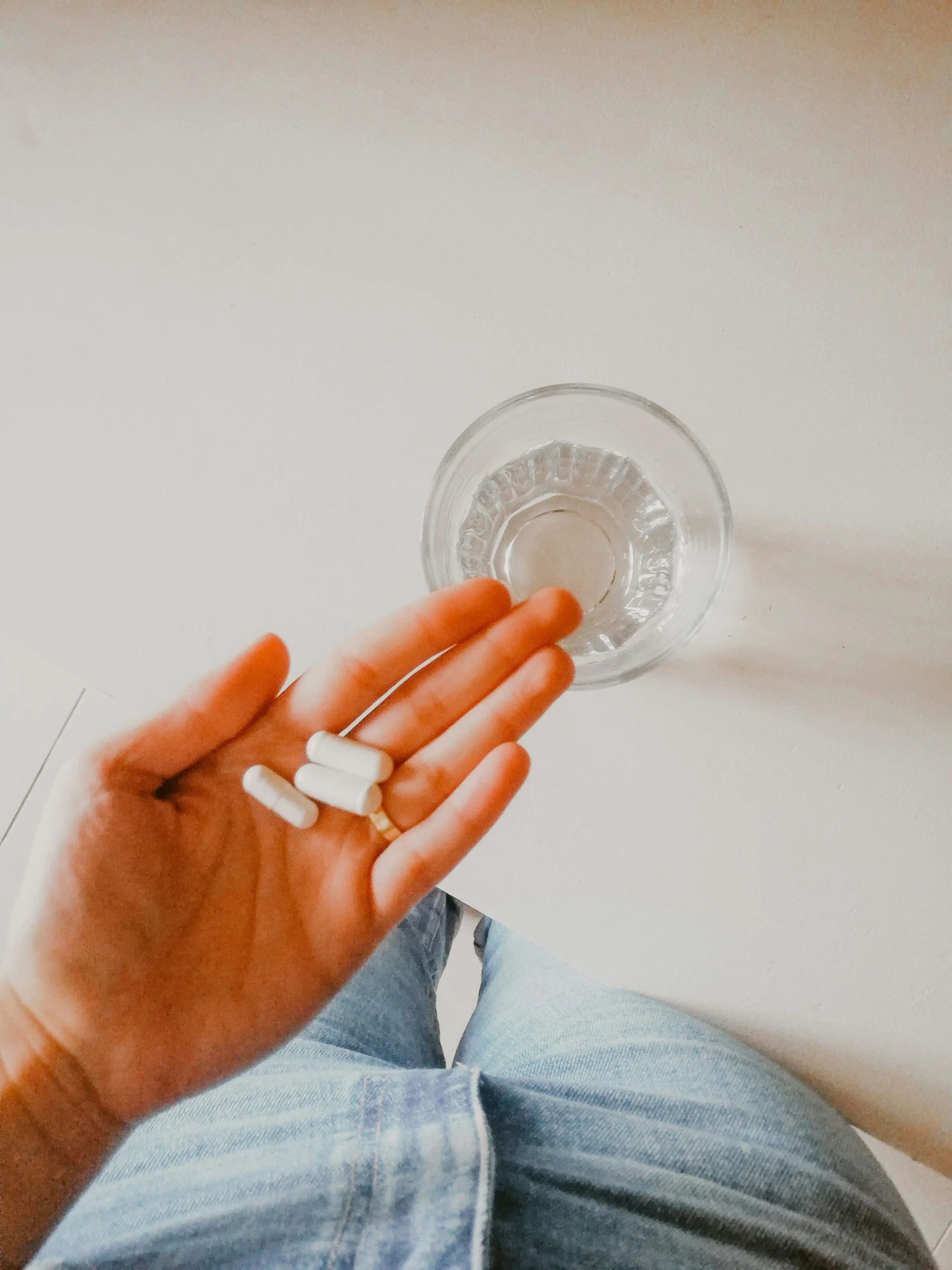
Your Perimenopause Supplement Roadmap: What to Take, Why It Works, and How to Shop My Fullscript Store
If you are a woman in your forties trying to navigate perimenopause, sugar cravings, weight gain, low energy, bloating, mood swings, sleep problems, or stubborn belly fat, you have probably also wondered if supplements could help you feel better. And if you are like most women I work with, you may have tried random supplements from the drugstore, Costco, health food shops, Amazon, or even the “wellness aisle” at the grocery store.

How to Recognize the Signs of High Blood Sugar: What Women Should Know
Blood sugar imbalances are often referred to as the "silent problem" because they can develop gradually and show few obvious symptoms in the early stages. For women, especially those over 30, understanding the signs of high blood sugar is crucial in preventing more serious conditions like pre-diabetes or type 2 diabetes. Whether you're dealing with sugar cravings, fatigue, or other physical changes, being proactive about your health can make all the difference.
In this blog, we'll walk through the common and lesser-known symptoms of high blood sugar, why they matter, and when you should consult a healthcare professional. By identifying these signs early, you can take the necessary steps to balance your blood sugar levels and improve your health.
The Stress Craving Connection: Why Cortisol Makes You Hungry
At Nutritional Gardens, I often say that your health journey is much like tending to a garden. Your body, like a garden, needs steady care, the right conditions, and protection from stressors in order to thrive. One of the biggest weeds in your health garden is stress, and if it isn’t managed, it can choke out your best intentions.
For people living with diabetes, this is especially important. You already know how delicate blood sugar balance can feel. What you may not know is how deeply stress hormones affect not only your blood sugar, but also your cravings, your sleep, and your energy.
Let’s walk together through the connection between stress and cravings, and then I’ll share some rituals that can help you calm the storm inside and nourish your health from the ground up.
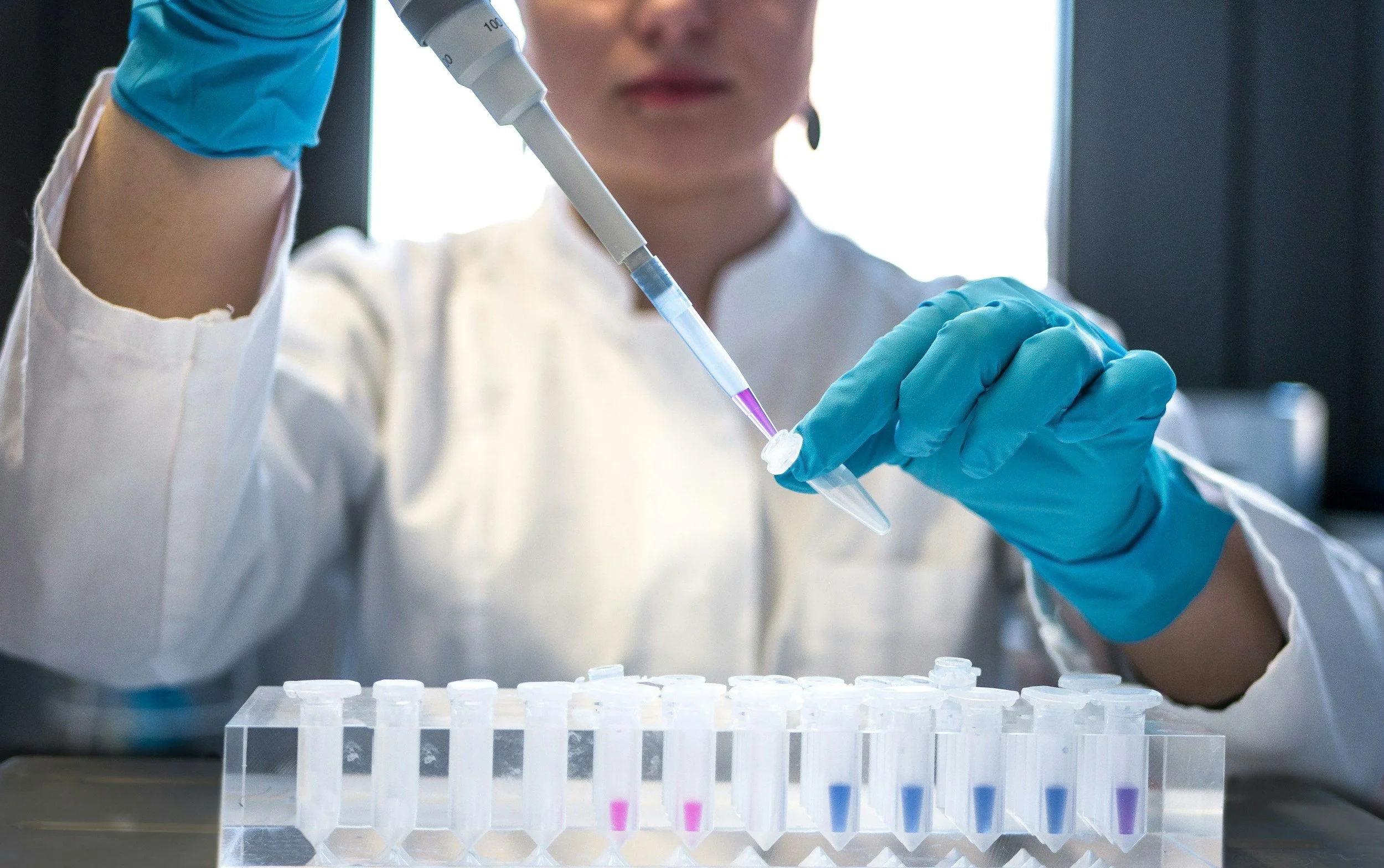
Understanding the Science Behind Bloodwork in Metabolic Balance®
A Friendly Canadian Guide to What’s Really Going On in Your Body
If you’ve ever heard of Metabolic Balance® or are thinking about starting the program, chances are you’ve come across a key part of it: personalized nutrition based on bloodwork. But what does that actually mean? Why blood? And how does it all connect to your metabolism and health?
We get these questions all the time, so we’ve put together this warm, easy to digest guide to help you understand the science behind the bloodwork used in Metabolic Balance®, and how it works in a truly personalized way.
What is Biochemistry — and Why Does it Matter for Your Health?
Biochemistry might sound like something from a high school science class, but don’t worry — it is actually very simple.
Biochemistry is just the study of how your body works on a chemical level. It looks at things like:
How your body uses the food you eat
How hormones, like insulin, send messages
How your organs work together to keep you healthy
How vitamins and minerals are used by your cells