

Metabolic Health for Women Over 40
I help women understand that metabolic health for women over 40 is not about willpower.
It is about signaling.
When insulin remains elevated, the body receives a storage signal. Fat storage increases. Inflammation rises. Hormone balance becomes unstable.
When insulin sensitivity improves, metabolism responds differently.
Cravings reduce. Energy stabilizes. Hormones regulate more predictably.
The Midlife Metabolic Garden Blueprint is about rebuilding insulin sensitivity through structure, environment, and nutrient density.
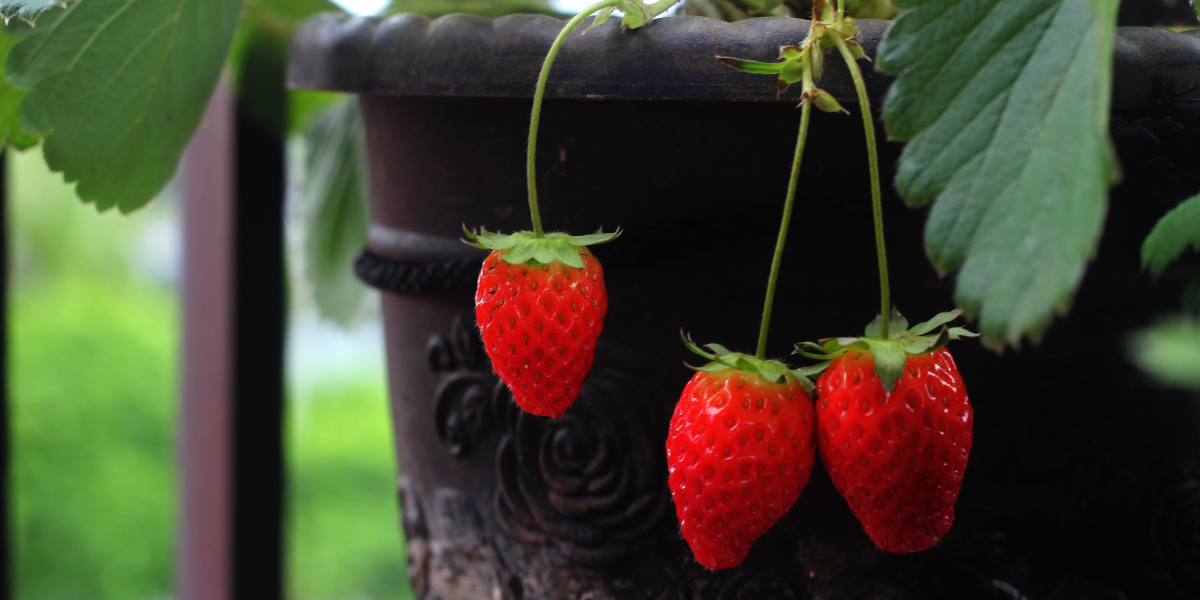
Berries and Insulin Sensitivity
Berries are among the best low glycemic fruits for women navigating insulin resistance after 40.
They contain natural sugars, but they also contain:
Fiber that slows glucose absorption
Polyphenols that improve insulin receptor sensitivity
Antioxidants that reduce inflammation
This combination makes berries supportive rather than destabilizing when eaten properly.
Fiber slows digestion. Slower digestion means smaller glucose spikes. Smaller spikes require less insulin.
Less insulin demand improves insulin sensitivity over time.

Fiber for Estrogen Detox
When women search for hormone balance after 40, they often hear about estrogen dominance, detox supplements, liver cleanses, or hormone creams.
What is rarely explained clearly is that estrogen detox depends heavily on fiber.
Estrogen is processed in the liver. After it is metabolized, it is sent into the digestive tract to be eliminated. If adequate fiber is present, estrogen binds to that fiber and leaves the body.
If fiber intake is low, estrogen can be reabsorbed and recirculated.
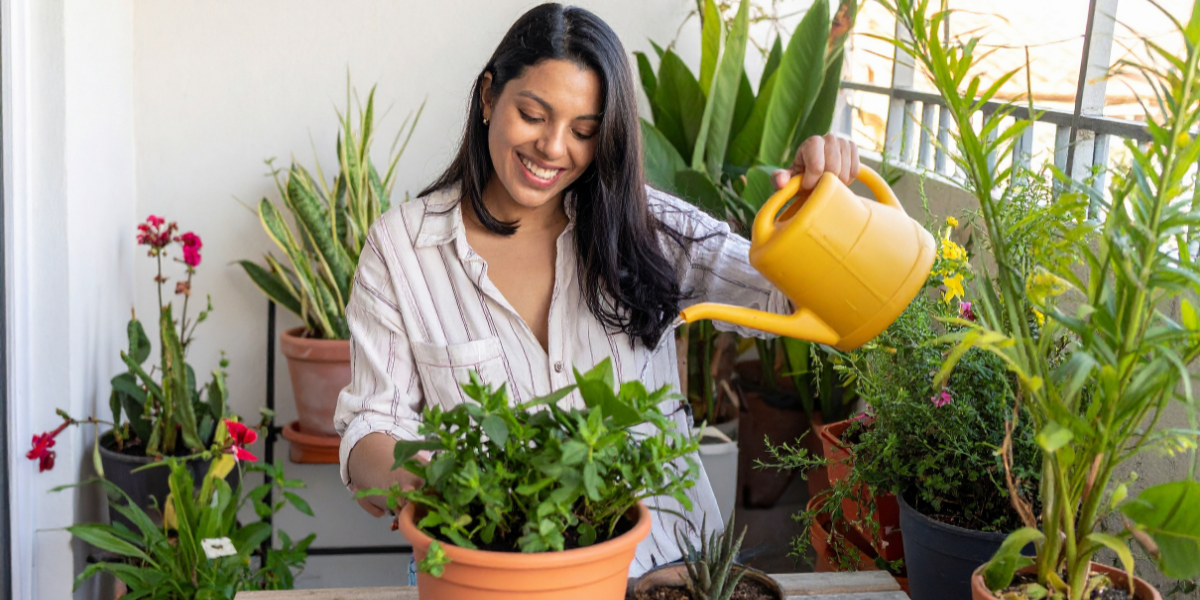
Herbs for Cortisol
When women talk about stress, they usually mean feeling overwhelmed, tired, or mentally overloaded. But physiologically, stress is not just emotional. It is hormonal.
Cortisol is one of the body’s primary stress hormones. It plays a direct role in blood sugar regulation.
When cortisol rises, the liver releases stored glucose into the bloodstream. This is designed to prepare the body for action. In short bursts, this response is protective.
The problem is not cortisol itself.
The problem is chronic cortisol elevation.
When stress becomes constant, blood sugar remains elevated even without food intake. Insulin must work harder to manage this glucose. Over time, insulin resistance develops.
This is why stress drives blood sugar spikes, even when you are eating well.
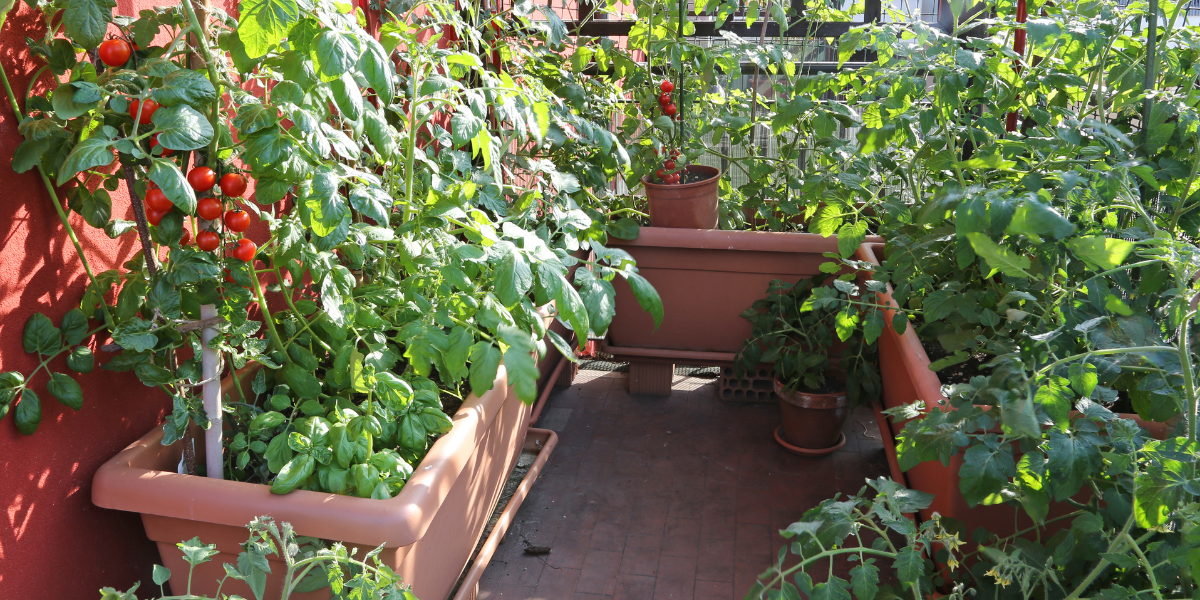
Anti Inflammatory Plants You Can Grow in Apartments and Condos
When women search for answers about insulin resistance after 40, they are often told to reduce carbohydrates, eliminate sugar, or exercise more. While these strategies can help, they do not address one of the most powerful underlying drivers of metabolic dysfunction.
Inflammation.
Chronic low grade inflammation interferes with insulin signaling at the cellular level. When inflammatory molecules are elevated, insulin receptors become less responsive. Glucose remains in the bloodstream longer. The pancreas compensates by producing more insulin. Over time, insulin resistance develops.
This process is gradual and often silent.
You may not feel inflamed. You may not have joint pain or obvious illness. But internally, inflammatory signaling may be disrupting your blood sugar balance.
Reducing inflammation improves insulin sensitivity. Improving insulin sensitivity stabilizes hormones, reduces cravings, and improves energy.
This is why anti inflammatory plants matter.

Insulin Resistance in Perimenopause: Early Signs Most Women Miss
Perimenopause is often described as a hormonal roller coaster.
Mood swings. Night sweats. Irregular cycles. Stubborn weight.
But there is a deeper shift happening underneath many of these symptoms that rarely gets discussed in conventional care.
Insulin resistance.
And for most women, it starts quietly. Long before fasting glucose rises. Long before A1C flags. Long before anyone uses the word prediabetes.
If you are in your late 30s or 40s and noticing that your body feels different, cravings feel louder, weight feels harder to manage, and energy feels less stable, this is not random. It is often early blood sugar imbalance in perimenopause.
Today we are going to talk about the early signs of insulin resistance in perimenopause that most women miss, why standard lab work often does not catch it, and what you can do now to restore metabolic safety before it progresses.
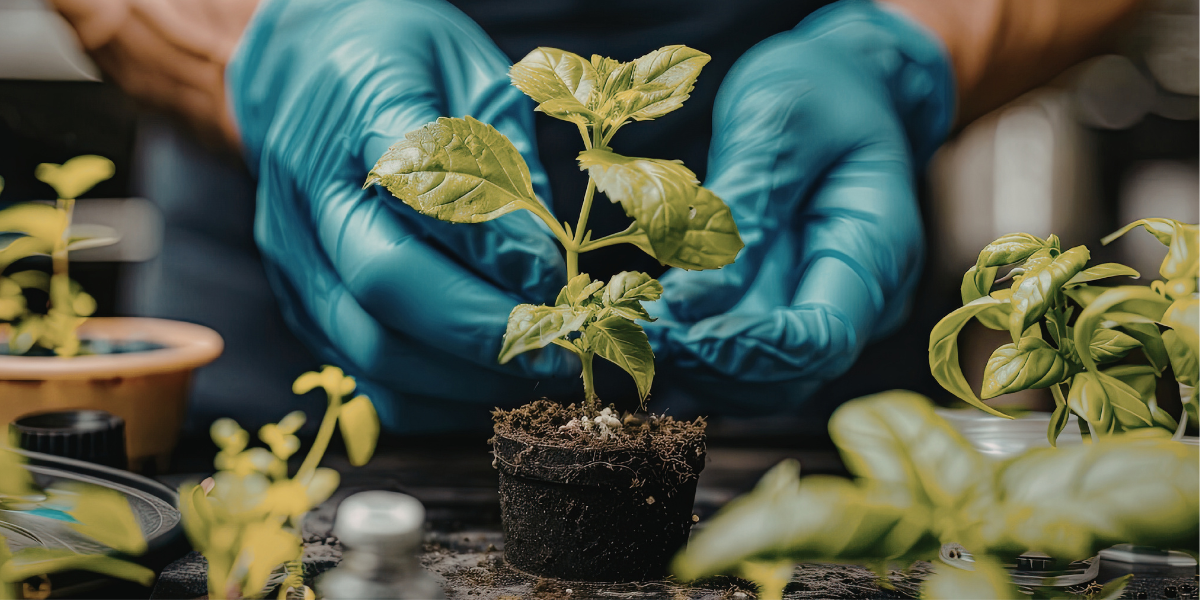
Magnesium Rich Greens You Can Grow in Containers
When people search for ways to improve blood sugar balance, they often focus on removing sugar or lowering carbohydrates. While that can help temporarily, it does not address one of the most foundational issues in insulin resistance after 40.
Magnesium is required for insulin to function properly.
Every time insulin signals a cell to absorb glucose, magnesium is involved. It helps insulin bind to its receptor. It supports glucose transport into cells. It allows mitochondria to produce energy efficiently.
Without enough magnesium, insulin signaling weakens. Glucose remains in the bloodstream longer. The pancreas compensates by releasing more insulin. Over time, this pattern contributes to insulin resistance.
Magnesium is not optional for blood sugar balance. It is foundational.
Hormone Balancing Foods for Women Over 40
Hormone Balancing Foods for Women Over 40 Start With Insulin
When women search for hormone balancing foods for women over 40, they are often experiencing weight gain, fatigue, mood shifts, or sleep disruption. These symptoms are commonly blamed on aging or menopause.
But hormones rarely decline in isolation.
In most cases, especially in perimenopause and menopause, the underlying issue is insulin sensitivity.
Insulin resistance after 40 becomes more common because muscle mass declines, stress exposure accumulates, and sleep patterns change. When insulin remains elevated for longer periods, estrogen metabolism shifts, progesterone signaling weakens, and cortisol increases.
This is why perimenopause weight gain often appears suddenly, even when diet and exercise habits remain the same.
The problem is not age.
It is metabolic signaling.
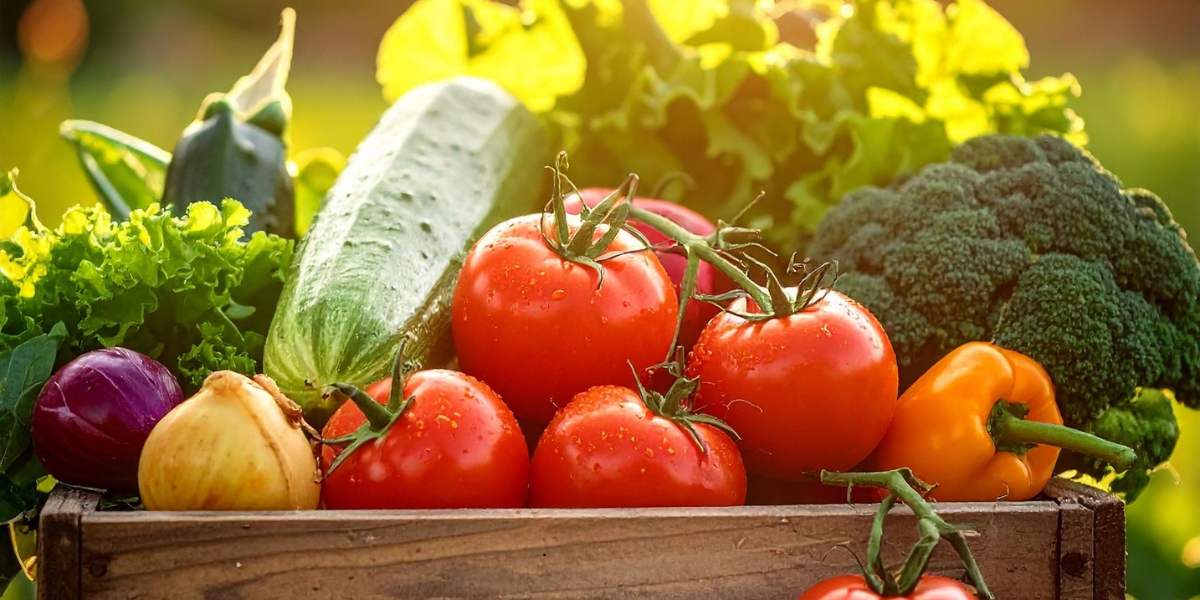
Why Growing Your Own Food Makes Sugar Reset Easier
Sugar Reset Fails When Environment Stays the Same
Most people approach a sugar reset as a test of willpower.
They remove sugar.
They reduce carbohydrates.
They promise themselves this time will be different.
For a few days, motivation carries them. Then cravings intensify. Energy drops. Mood shifts. The body pushes back.
The problem is rarely the reset itself. The problem is that the environment has not changed.
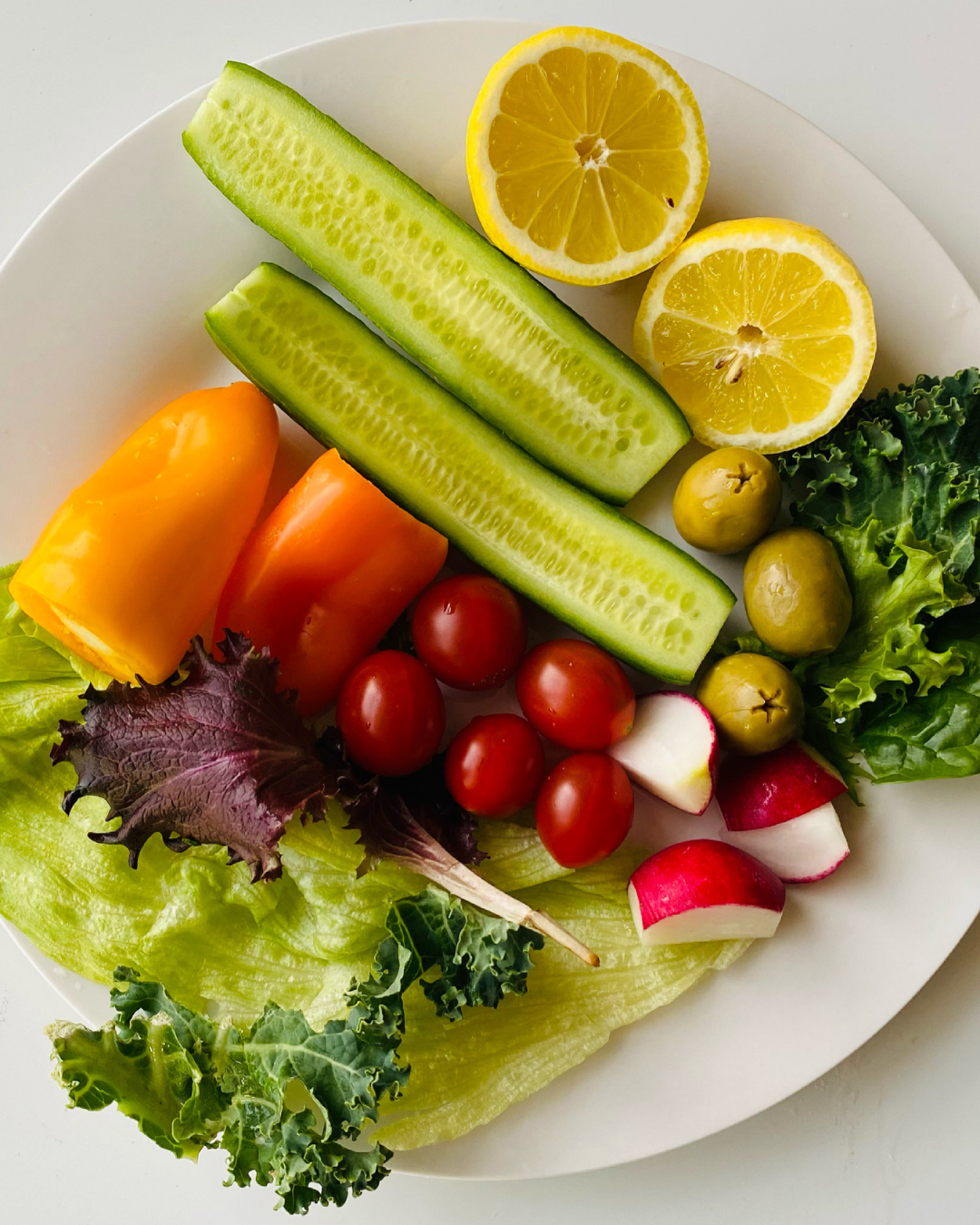
From Garden to Plate
When blood sugar feels unstable, most people believe they are choosing the wrong foods. They try cutting carbohydrates, avoiding sugar, or eating smaller portions. They experiment with timing, snacks, and supplements.
But the real issue is often not the food itself. It is the structure of the meal.
Insulin stable meals are not random. They are constructed intentionally. Stability is built through composition, order, and pairing. When meals lack structure, blood sugar rises too quickly, insulin output increases, and energy crashes follow.
This is not a lack of discipline. It is a lack of metabolic design.
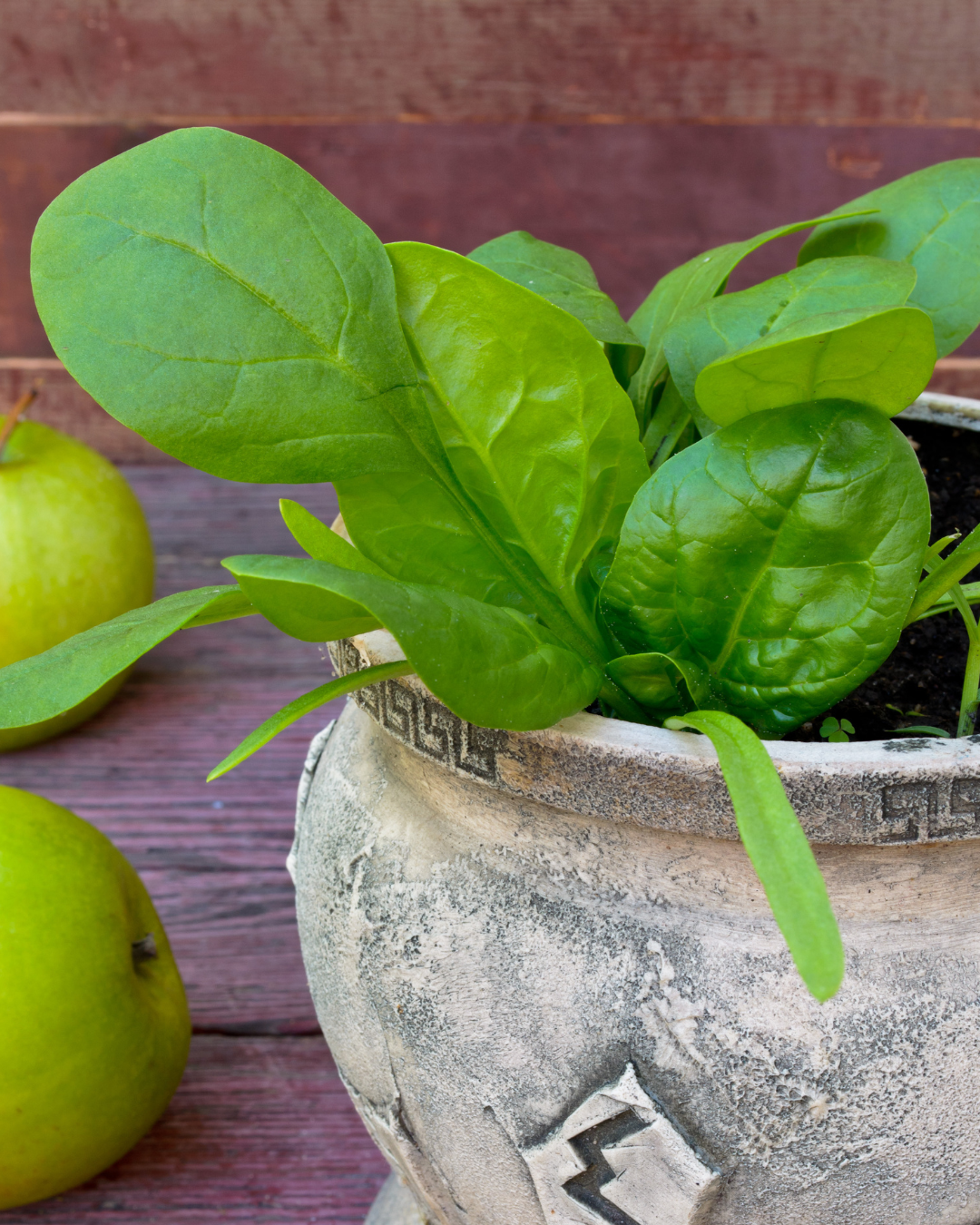
Fiber and Insulin Resistance
Fiber has been reduced to a nutrition buzzword.
Eat more fiber.
Add fiber supplements.
Track grams of fiber.
But fiber is not a number. It is structure.
From a metabolic perspective, fiber is one of the primary tools the body uses to regulate how quickly glucose enters the bloodstream. When fiber intake is low or inconsistent, insulin resistance becomes harder to reverse, regardless of how clean the rest of the diet looks.
This is why balcony grown greens matter far more than most people realize.
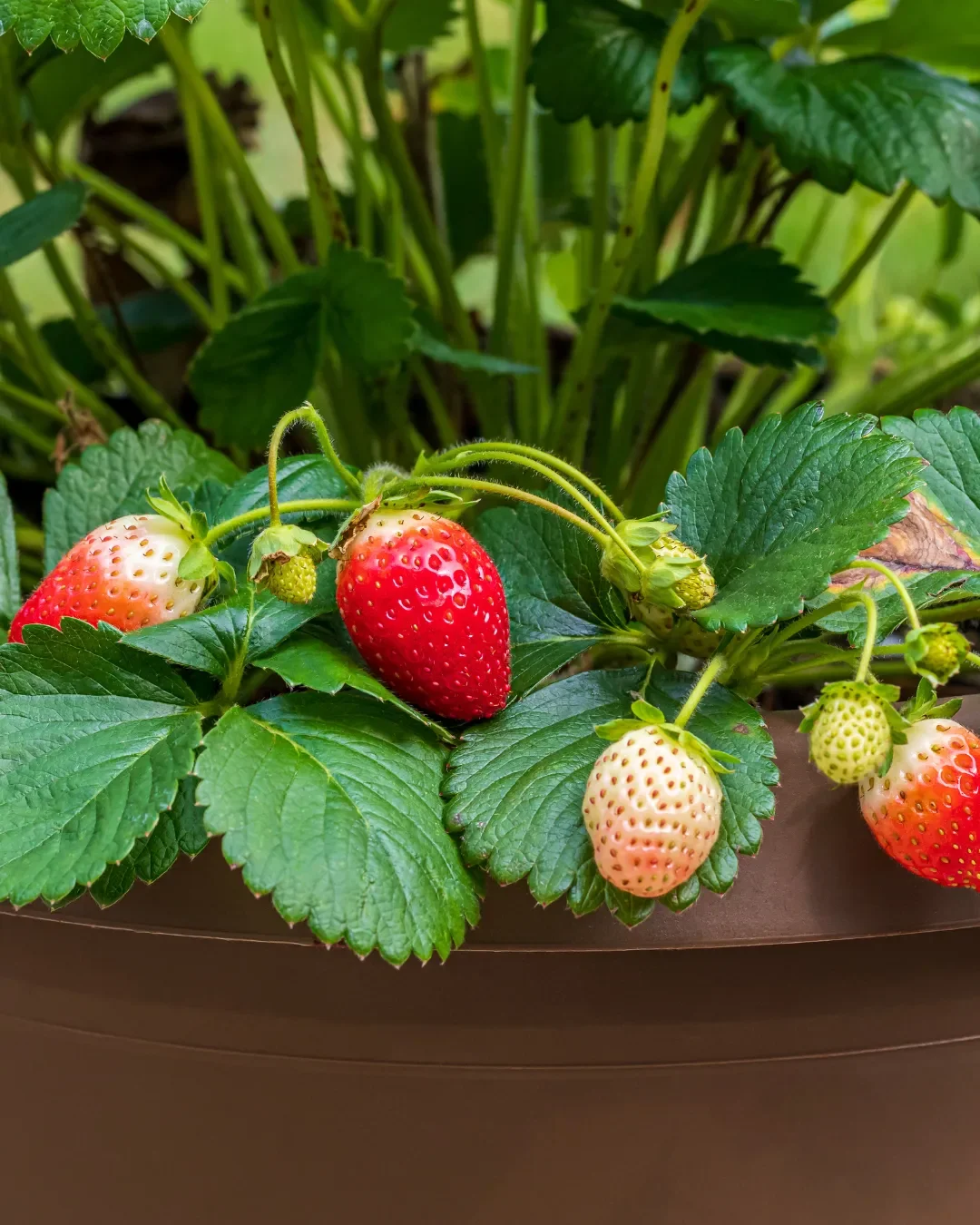
Low Glycemic Fruits You Can Grow in Containers
Fruit is often blamed when blood sugar feels unstable.
Too sweet.
Too many carbs.
Too risky if you have insulin resistance.
But physiologically, fruit itself is not the issue. The issue is dose, fiber content, and metabolic context.
When fruit is eaten without fiber, protein, or mineral support, glucose rises quickly. When fruit is eaten in appropriate portions, with fiber intact, and within a metabolically supportive environment, it behaves very differently in the body.
This is where low glycemic fruits grown at home become powerful.
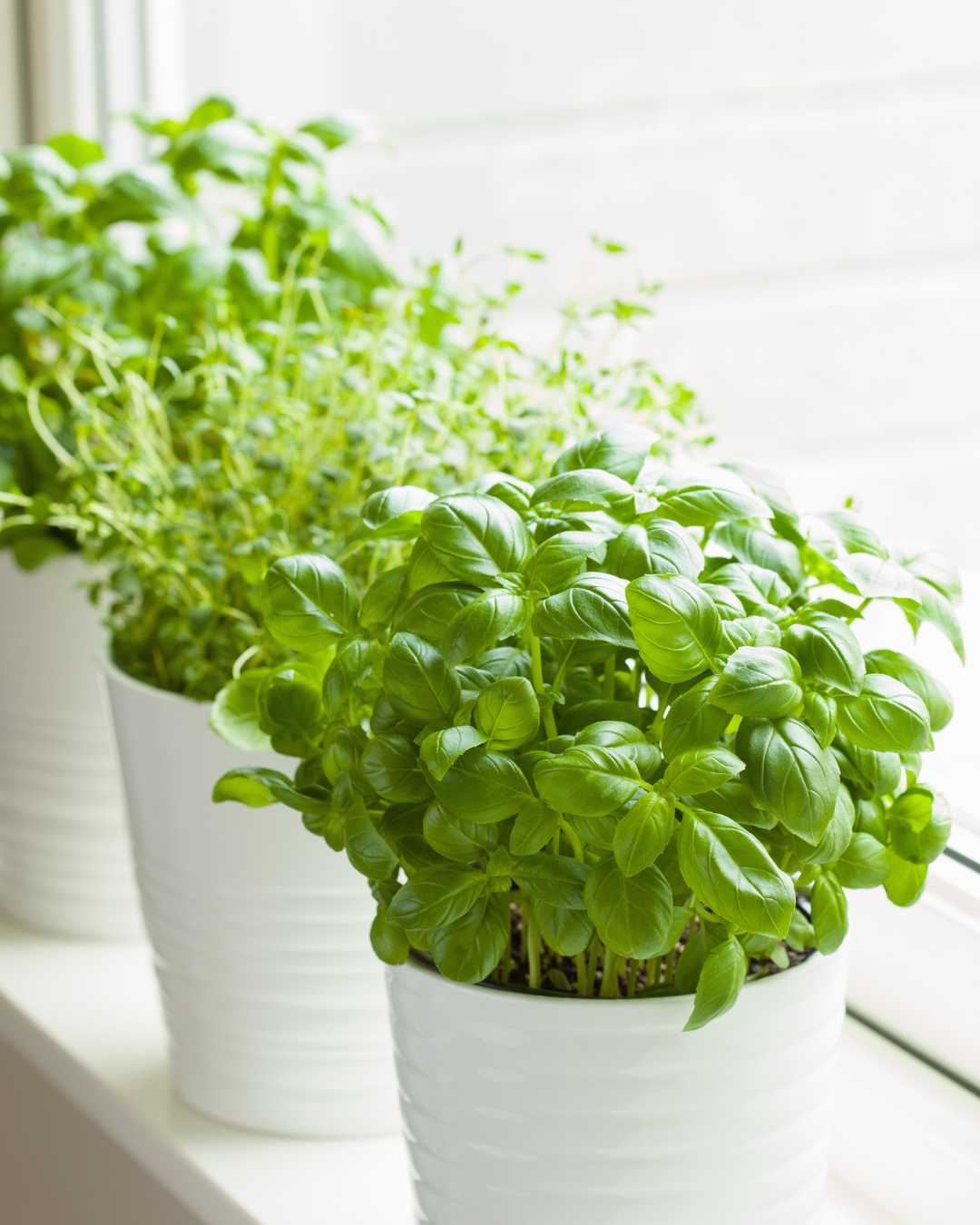
Herbs That Support Blood Sugar Stability
Most people think blood sugar stability comes from removing foods.
Less sugar.
Less carbohydrates.
Less flexibility.
But from a physiological perspective, blood sugar regulation improves most reliably when the body feels nourished, supported, and safe.
Herbs are often overlooked because they are used in small amounts. But metabolically, herbs are not garnish. They are concentrated sources of bioactive compounds that influence digestion, insulin signaling, inflammation, and glucose handling.
When grown fresh and used consistently, herbs become a quiet but powerful metabolic tool.

The Nighttime Sugar Craving Cycle and How to Break It
If sugar cravings hit hardest at night, your body is not lacking discipline.
It is communicating.
Nighttime cravings are one of the clearest signs of blood sugar instability, nervous system overload, and cortisol driven metabolism. They are not random, and they are not a personal failure. They are predictable physiological responses to how the day was structured, how blood sugar was supported or not supported, and how the body is attempting to keep itself safe by the evening.
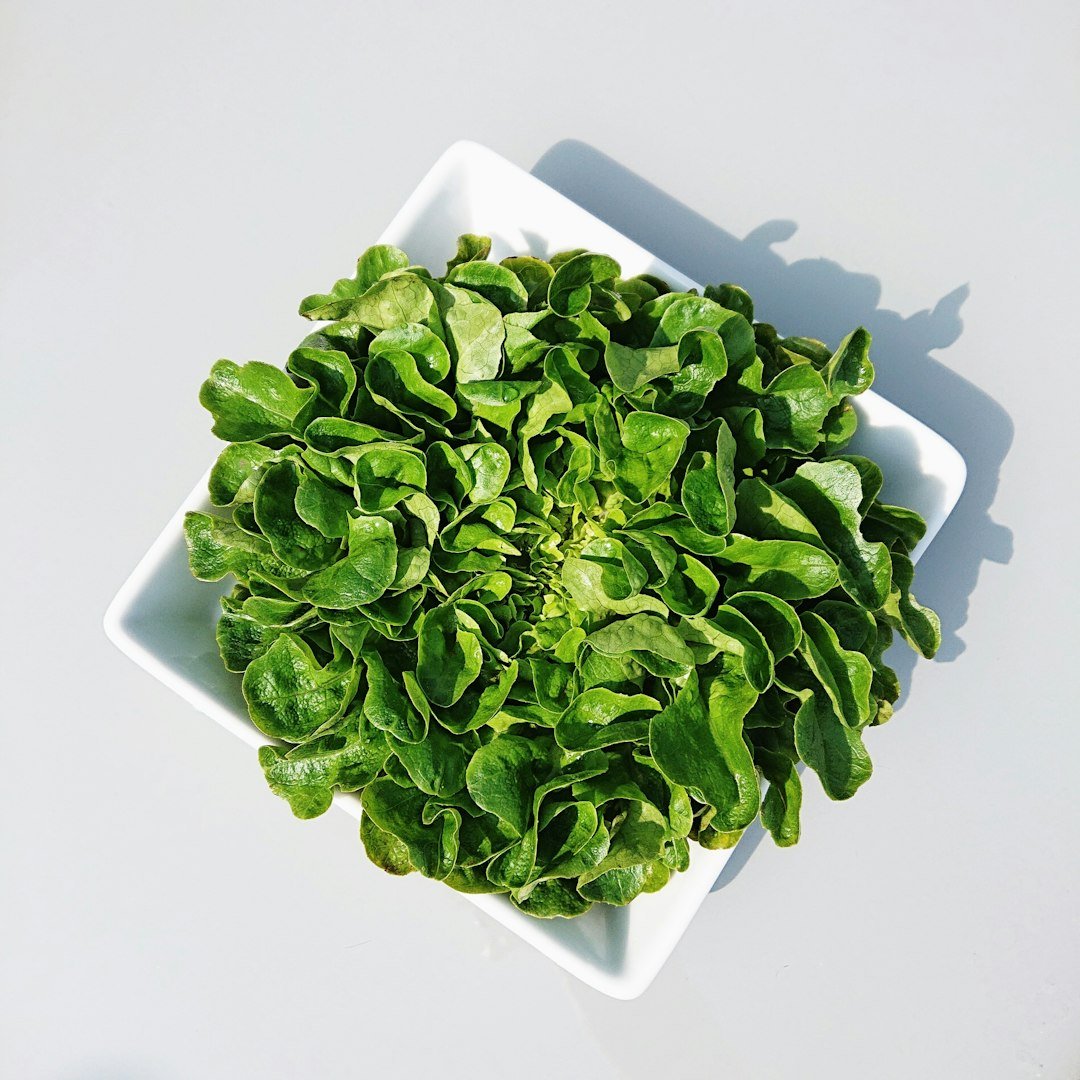
Bitter Greens and Sugar Cravings The Missing Link
One of the most damaging beliefs around nutrition is that sugar cravings mean a lack of willpower.
They do not.
Cravings are feedback. They are the body asking for regulation, minerals, and stability. When insulin signaling is impaired, the body looks for the fastest source of glucose it can access. This is not emotional weakness. It is survival physiology.
The question is not how to suppress cravings.
The question is what information they are giving you.
One of the most overlooked pieces of that signal is bitterness.
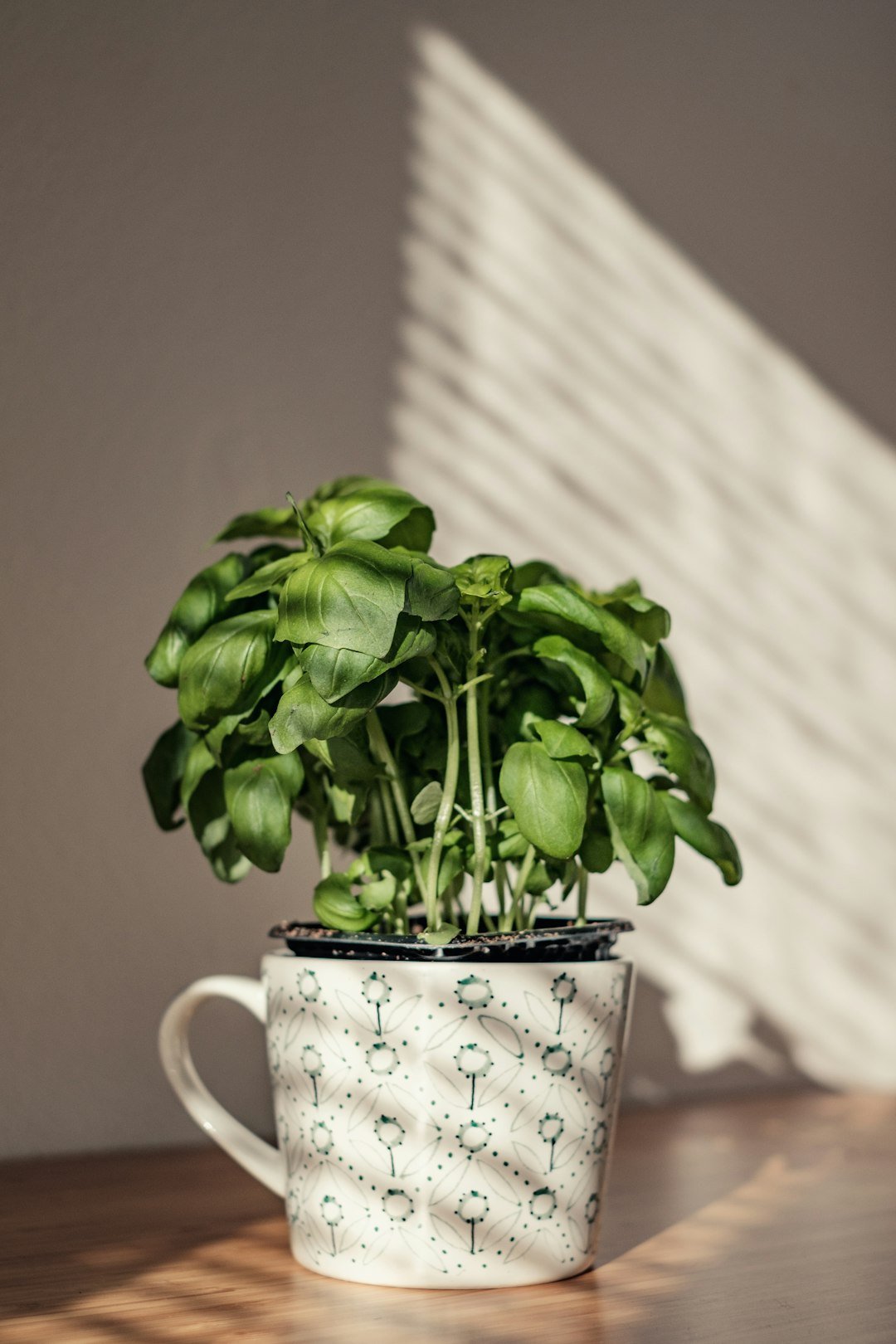
Foods That Lower Blood Sugar Naturally And You Can Grow Them
Balcony grown foods are harvested at peak freshness. They are eaten closer to harvest. They retain more minerals, fiber structure, and phytonutrients than foods that travel long distances and sit in storage.
This matters because insulin sensitivity depends on nutrient density, not just calorie content.
When nutrient density drops, blood sugar regulation becomes harder, even when food choices appear healthy.
Growing even a small amount of food at home helps correct this imbalance.
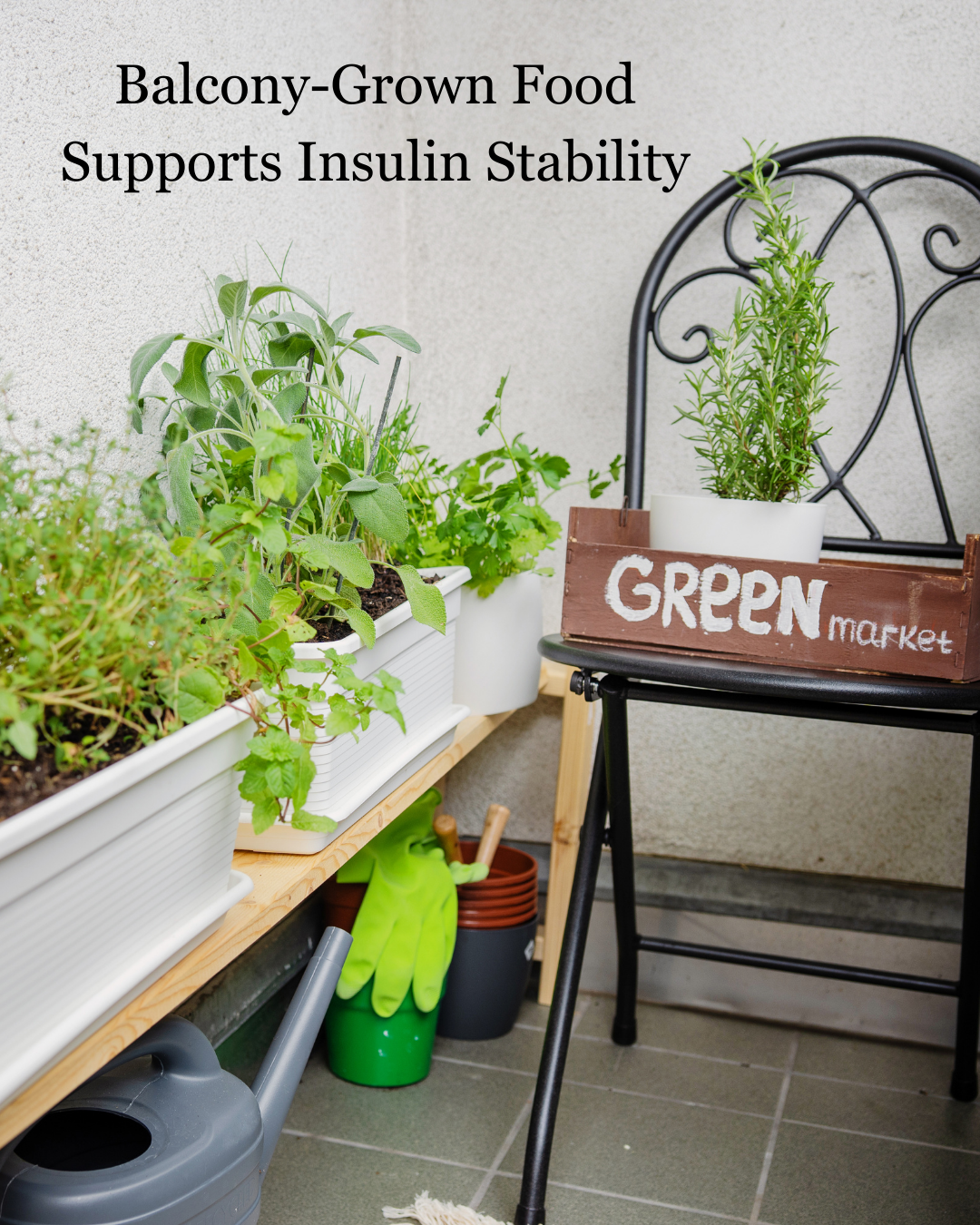
7-Day Balcony Garden Meal Plan for Blood Sugar Balance
Blood Sugar Balance Doesn’t Start With a Meal Plan. It Starts With Access
Most people think they need a better plan.
More recipes.
More structure.
More discipline.
But blood sugar regulation doesn’t fail because people don’t know what to eat.
It fails because the foods that support insulin stability are often:
Less accessible
More time-consuming
Less visible in daily life
When food feels effortful, consistency drops and blood sugar follows.
This is why balcony gardening changes things in a way most nutrition advice never addresses.
When fiber-rich, blood sugar–stabilizing foods are already growing where you live, the decision is made before willpower is even involved.
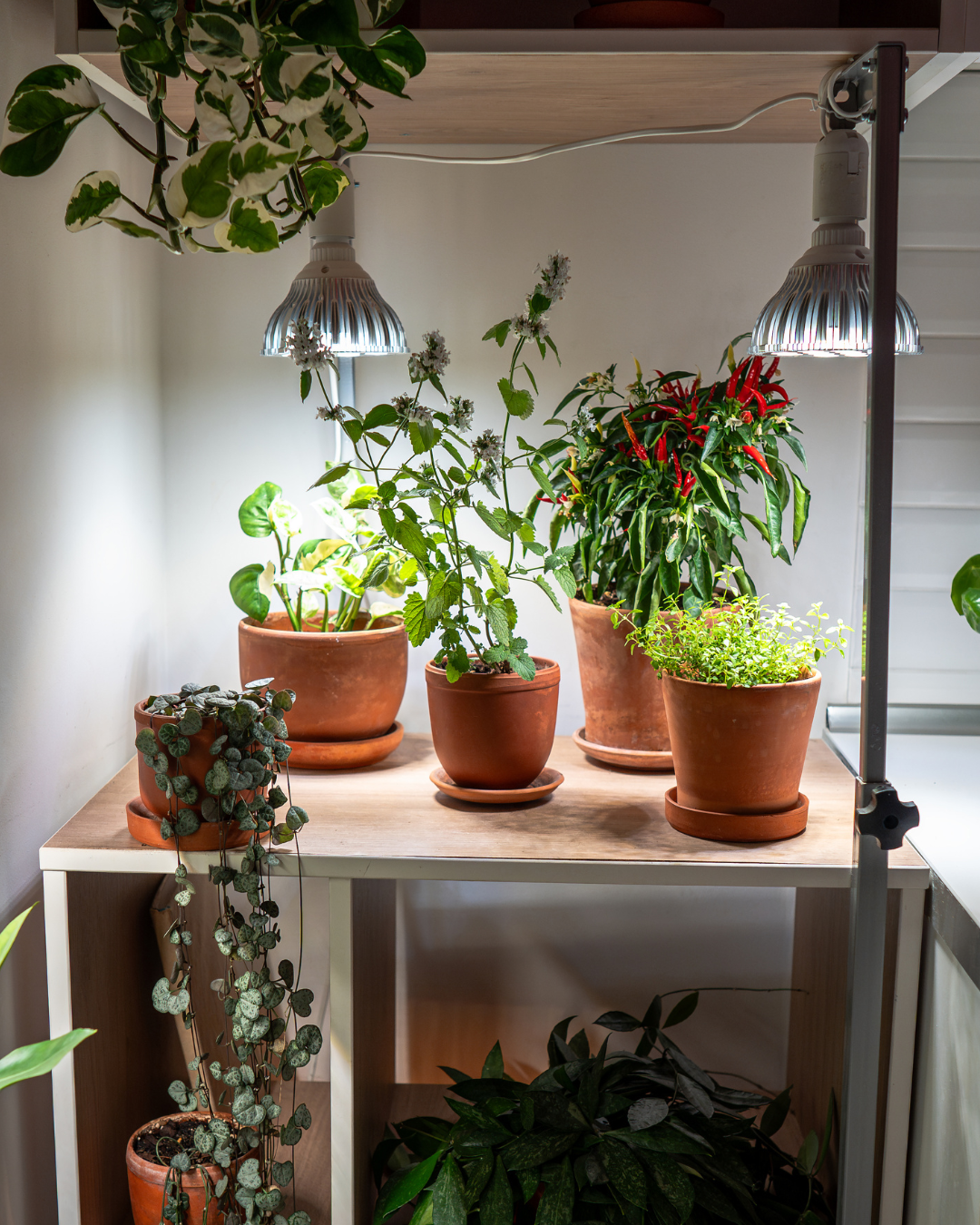
Do You Need Grow Lights in Canada?
If you’ve ever thought, “I know what to do, but it feels harder now,” that’s not a motivation problem.
And it’s not a discipline failure.
It’s a metabolic and environmental mismatch.
When access to nourishing food drops, routines break down, and the nervous system stays under stress, blood sugar regulation becomes harder, even if nothing about your intentions has changed.
This is especially true during Canadian winters.
Less daylight.
Lower produce quality.
Higher reliance on convenience foods.
More stress on already-sensitive insulin signaling.
The good news?
You don’t need more rules.
You need better conditions.
And one of the most overlooked but powerful conditions for metabolic stability in Canada is light.

Best Soil for Container Gardening: Why Soil Quality Determines Nutrient Density
If Your Food Isn’t Nourishing You, It’s Not a Willpower Problem
Many people come to me saying some version of this:
“I eat well. I buy vegetables. I cook at home. Why does my body still feel off?”
Low energy.
Persistent cravings.
Blood sugar swings that don’t make sense.
What most people don’t realize is this:
Food quality isn’t just about the food, it’s about the soil the food was grown in.

How to Grow Microgreens Indoors in Canada (No Backyard Needed)
When You Can’t Change the Weather, Change the Environment
Canadian winters don’t just limit sunlight.
They limit:
Access to fresh, nutrient-dense food
Consistency with vegetables
Motivation to “eat well” when everything feels heavy and beige
And for anyone dealing with blood sugar instability, insulin resistance, or persistent cravings, winter often makes things worse, not because you’re failing, but because your food environment collapses.