
Magnesium Rich Greens You Can Grow in Containers
When people search for ways to improve blood sugar balance, they often focus on removing sugar or lowering carbohydrates. While that can help temporarily, it does not address one of the most foundational issues in insulin resistance after 40.
Magnesium is required for insulin to function properly.
Every time insulin signals a cell to absorb glucose, magnesium is involved. It helps insulin bind to its receptor. It supports glucose transport into cells. It allows mitochondria to produce energy efficiently.
Without enough magnesium, insulin signaling weakens. Glucose remains in the bloodstream longer. The pancreas compensates by releasing more insulin. Over time, this pattern contributes to insulin resistance.
Magnesium is not optional for blood sugar balance. It is foundational.
Hormone Balancing Foods for Women Over 40
Hormone Balancing Foods for Women Over 40 Start With Insulin
When women search for hormone balancing foods for women over 40, they are often experiencing weight gain, fatigue, mood shifts, or sleep disruption. These symptoms are commonly blamed on aging or menopause.
But hormones rarely decline in isolation.
In most cases, especially in perimenopause and menopause, the underlying issue is insulin sensitivity.
Insulin resistance after 40 becomes more common because muscle mass declines, stress exposure accumulates, and sleep patterns change. When insulin remains elevated for longer periods, estrogen metabolism shifts, progesterone signaling weakens, and cortisol increases.
This is why perimenopause weight gain often appears suddenly, even when diet and exercise habits remain the same.
The problem is not age.
It is metabolic signaling.
Why Growing Your Own Food Makes Sugar Reset Easier
Sugar Reset Fails When Environment Stays the Same
Most people approach a sugar reset as a test of willpower.
They remove sugar.
They reduce carbohydrates.
They promise themselves this time will be different.
For a few days, motivation carries them. Then cravings intensify. Energy drops. Mood shifts. The body pushes back.
The problem is rarely the reset itself. The problem is that the environment has not changed.

From Garden to Plate
When blood sugar feels unstable, most people believe they are choosing the wrong foods. They try cutting carbohydrates, avoiding sugar, or eating smaller portions. They experiment with timing, snacks, and supplements.
But the real issue is often not the food itself. It is the structure of the meal.
Insulin stable meals are not random. They are constructed intentionally. Stability is built through composition, order, and pairing. When meals lack structure, blood sugar rises too quickly, insulin output increases, and energy crashes follow.
This is not a lack of discipline. It is a lack of metabolic design.
Fiber and Insulin Resistance
Fiber has been reduced to a nutrition buzzword.
Eat more fiber.
Add fiber supplements.
Track grams of fiber.
But fiber is not a number. It is structure.
From a metabolic perspective, fiber is one of the primary tools the body uses to regulate how quickly glucose enters the bloodstream. When fiber intake is low or inconsistent, insulin resistance becomes harder to reverse, regardless of how clean the rest of the diet looks.
This is why balcony grown greens matter far more than most people realize.

Low Glycemic Fruits You Can Grow in Containers
Fruit is often blamed when blood sugar feels unstable.
Too sweet.
Too many carbs.
Too risky if you have insulin resistance.
But physiologically, fruit itself is not the issue. The issue is dose, fiber content, and metabolic context.
When fruit is eaten without fiber, protein, or mineral support, glucose rises quickly. When fruit is eaten in appropriate portions, with fiber intact, and within a metabolically supportive environment, it behaves very differently in the body.
This is where low glycemic fruits grown at home become powerful.
Herbs That Support Blood Sugar Stability
Most people think blood sugar stability comes from removing foods.
Less sugar.
Less carbohydrates.
Less flexibility.
But from a physiological perspective, blood sugar regulation improves most reliably when the body feels nourished, supported, and safe.
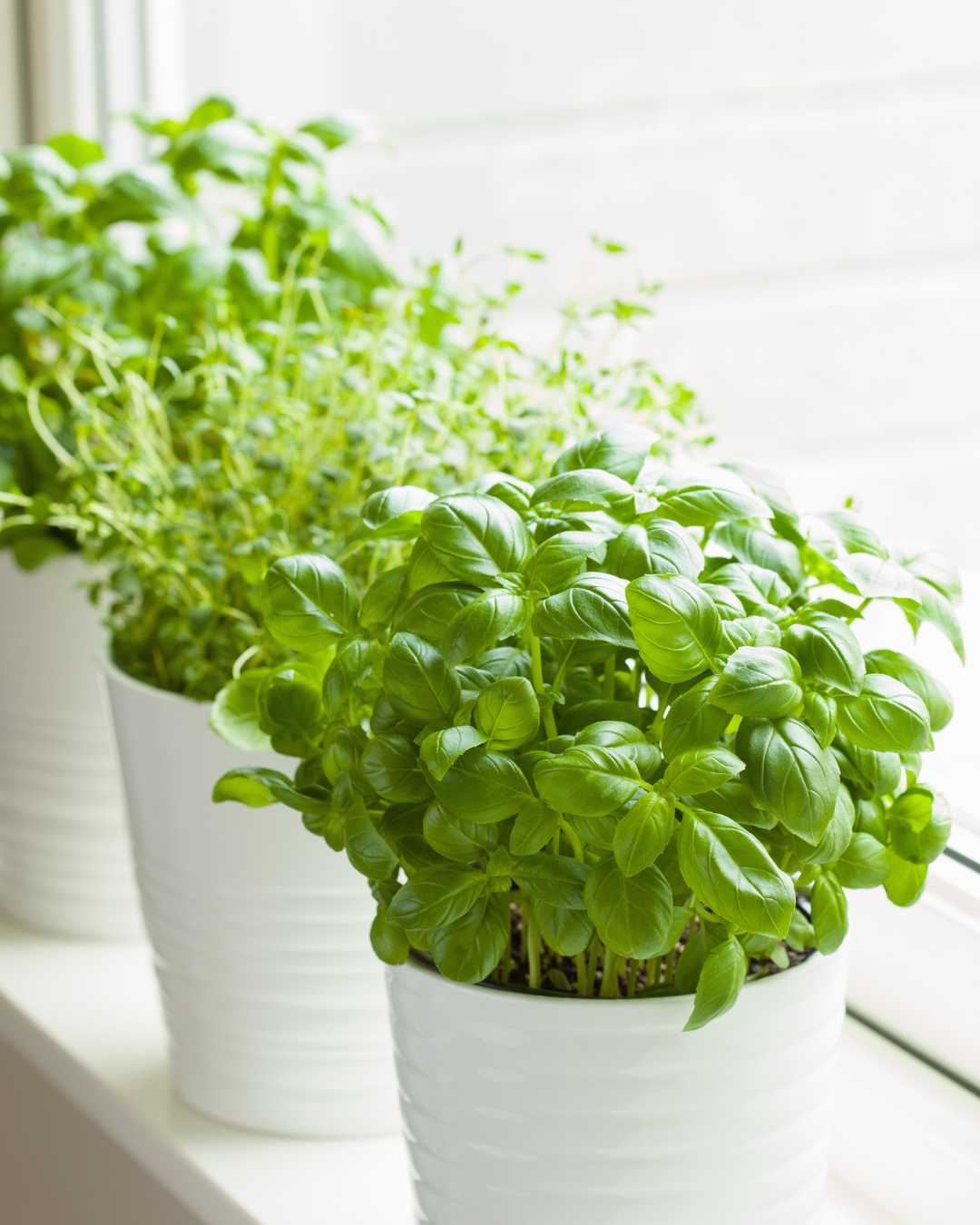
Herbs are often overlooked because they are used in small amounts. But metabolically, herbs are not garnish. They are concentrated sources of bioactive compounds that influence digestion, insulin signaling, inflammation, and glucose handling.
When grown fresh and used consistently, herbs become a quiet but powerful metabolic tool.

The Nighttime Sugar Craving Cycle and How to Break It
If sugar cravings hit hardest at night, your body is not lacking discipline.
It is communicating.
Nighttime cravings are one of the clearest signs of blood sugar instability, nervous system overload, and cortisol driven metabolism. They are not random, and they are not a personal failure. They are predictable physiological responses to how the day was structured, how blood sugar was supported or not supported, and how the body is attempting to keep itself safe by the evening.

Bitter Greens and Sugar Cravings The Missing Link
One of the most damaging beliefs around nutrition is that sugar cravings mean a lack of willpower.
They do not.
Cravings are feedback. They are the body asking for regulation, minerals, and stability. When insulin signaling is impaired, the body looks for the fastest source of glucose it can access. This is not emotional weakness. It is survival physiology.
The question is not how to suppress cravings.
The question is what information they are giving you.
One of the most overlooked pieces of that signal is bitterness.
Foods That Lower Blood Sugar Naturally And You Can Grow Them
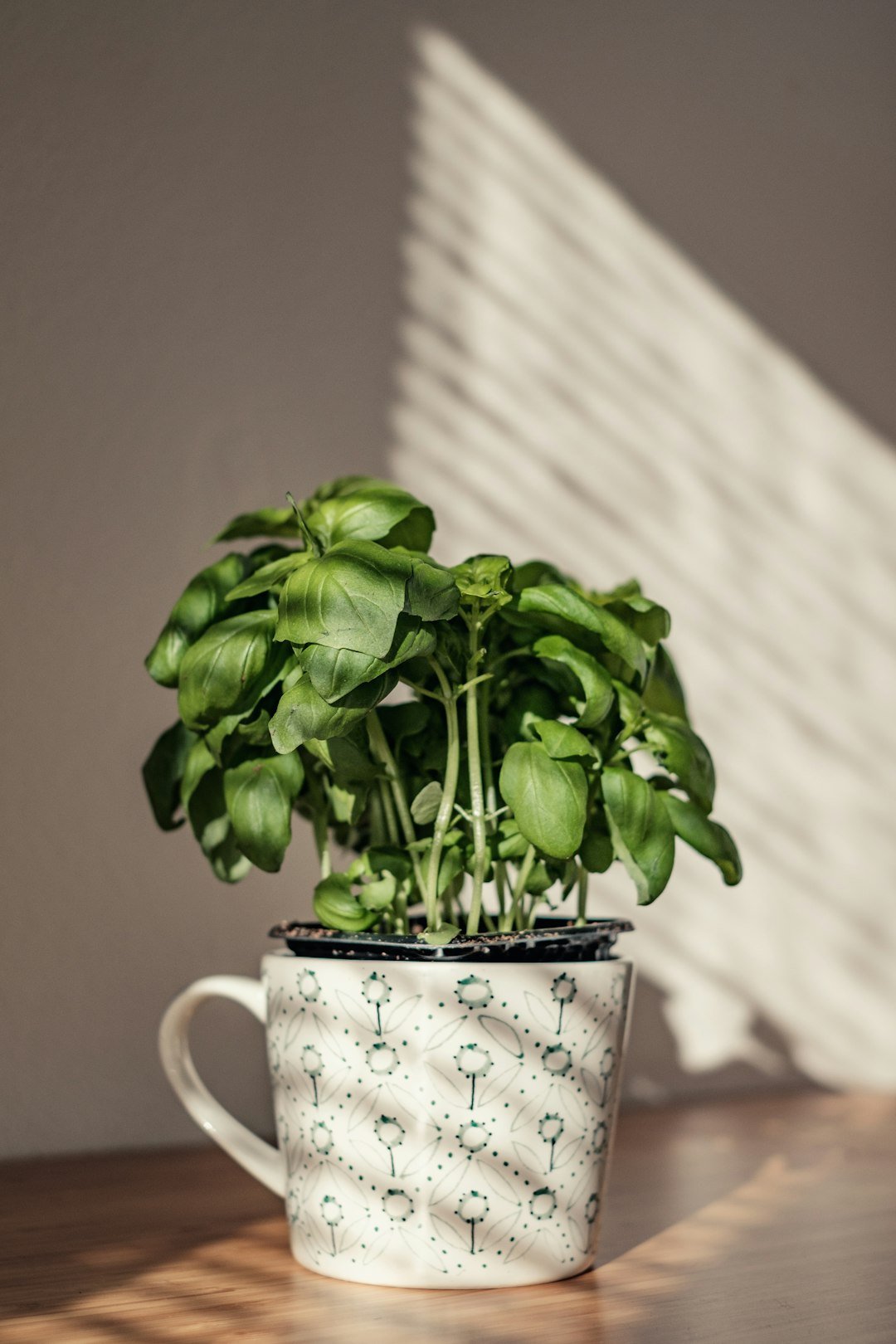
Balcony grown foods are harvested at peak freshness. They are eaten closer to harvest. They retain more minerals, fiber structure, and phytonutrients than foods that travel long distances and sit in storage.
This matters because insulin sensitivity depends on nutrient density, not just calorie content.
When nutrient density drops, blood sugar regulation becomes harder, even when food choices appear healthy.
Growing even a small amount of food at home helps correct this imbalance.
7-Day Balcony Garden Meal Plan for Blood Sugar Balance
Blood Sugar Balance Doesn’t Start With a Meal Plan. It Starts With Access
Most people think they need a better plan.
More recipes.
More structure.
More discipline.
But blood sugar regulation doesn’t fail because people don’t know what to eat.
It fails because the foods that support insulin stability are often:
Less accessible
More time-consuming
Less visible in daily life
When food feels effortful, consistency drops and blood sugar follows.
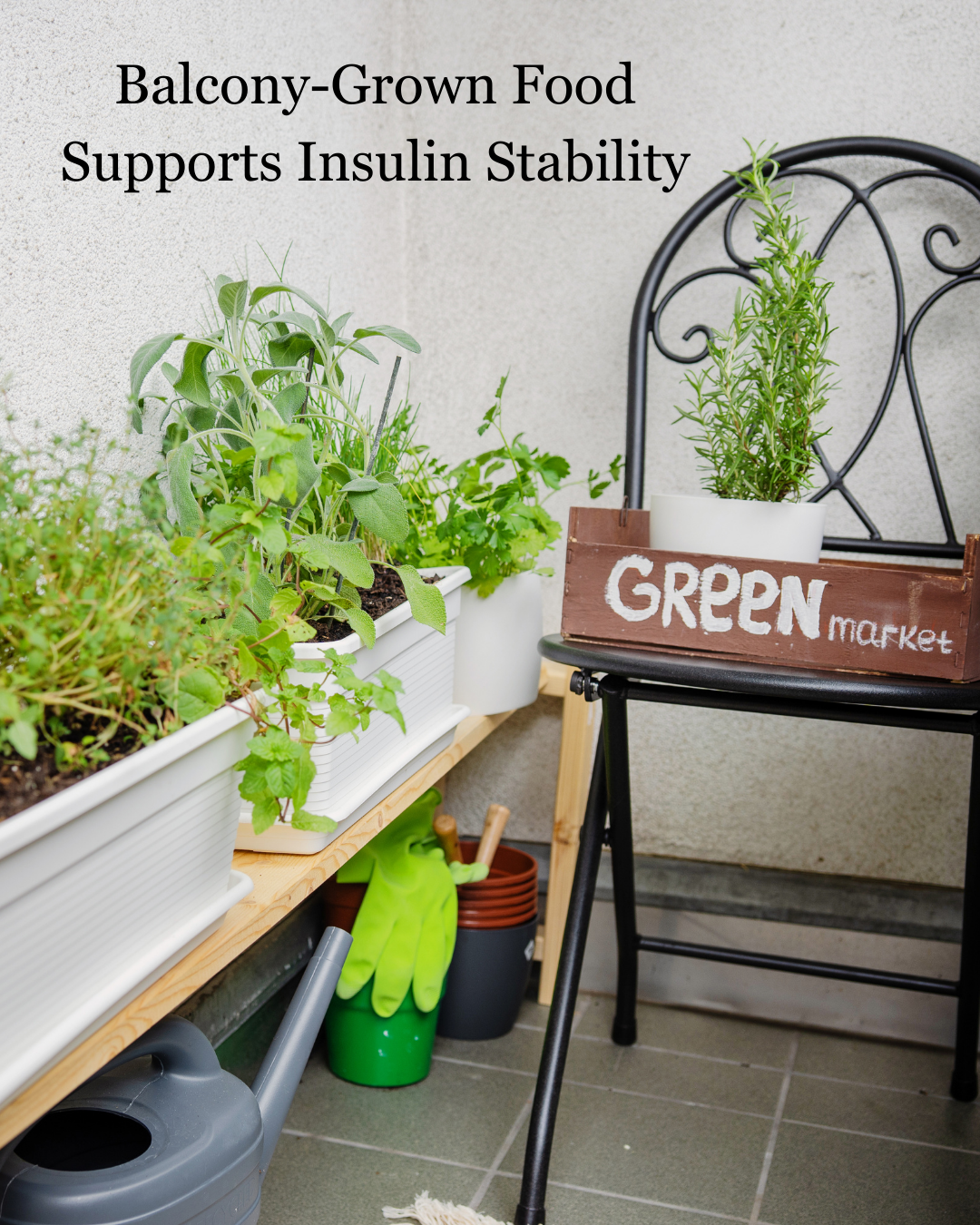
This is why balcony gardening changes things in a way most nutrition advice never addresses.
When fiber-rich, blood sugar–stabilizing foods are already growing where you live, the decision is made before willpower is even involved.
Do You Need Grow Lights in Canada?
If you’ve ever thought, “I know what to do, but it feels harder now,” that’s not a motivation problem.
And it’s not a discipline failure.
It’s a metabolic and environmental mismatch.
When access to nourishing food drops, routines break down, and the nervous system stays under stress, blood sugar regulation becomes harder, even if nothing about your intentions has changed.
This is especially true during Canadian winters.
Less daylight.
Lower produce quality.
Higher reliance on convenience foods.
More stress on already-sensitive insulin signaling.
The good news?
You don’t need more rules.
You need better conditions.
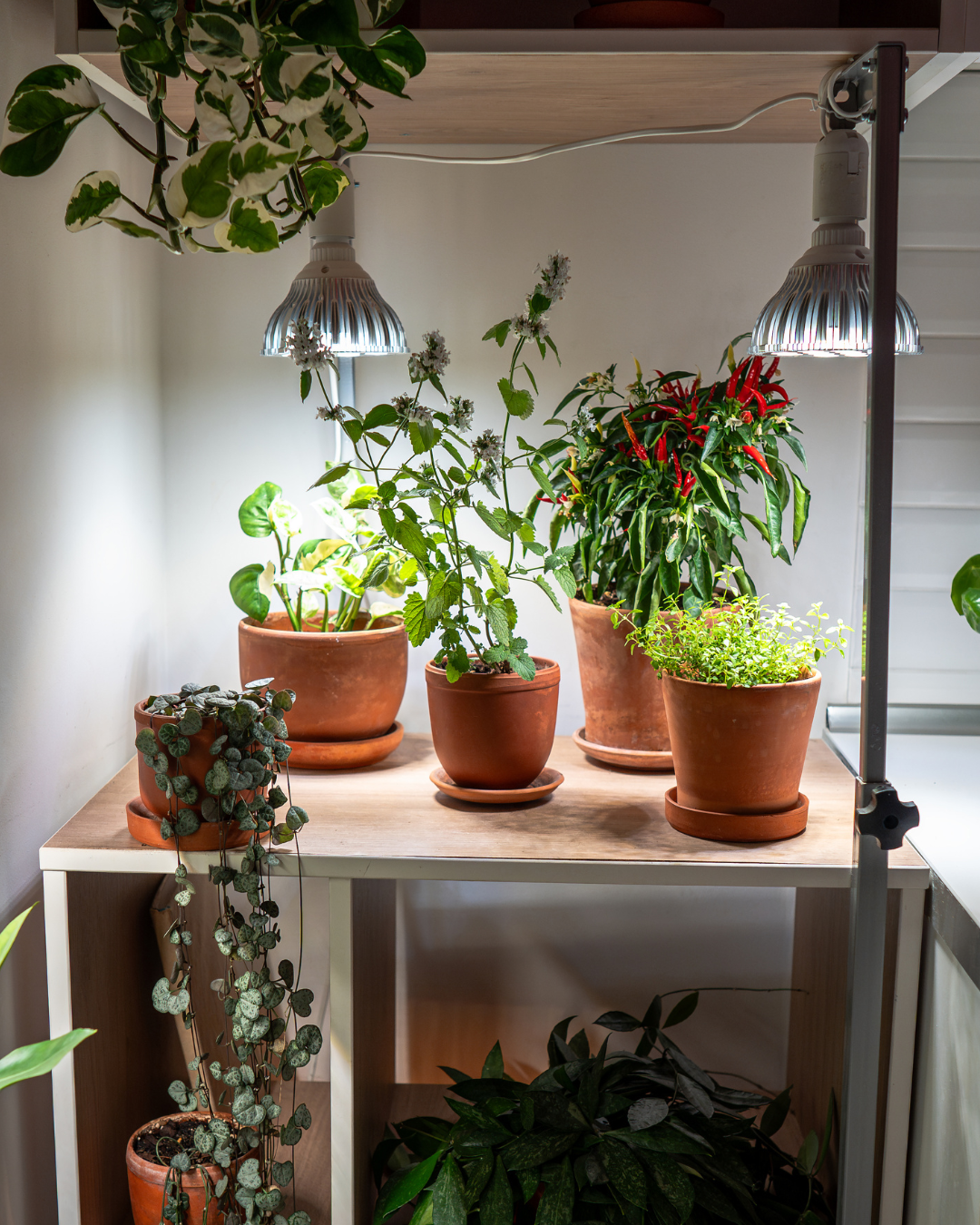
And one of the most overlooked but powerful conditions for metabolic stability in Canada is light.

Best Soil for Container Gardening: Why Soil Quality Determines Nutrient Density
If Your Food Isn’t Nourishing You, It’s Not a Willpower Problem
Many people come to me saying some version of this:
“I eat well. I buy vegetables. I cook at home. Why does my body still feel off?”
Low energy.
Persistent cravings.
Blood sugar swings that don’t make sense.
What most people don’t realize is this:
Food quality isn’t just about the food, it’s about the soil the food was grown in.

How to Grow Microgreens Indoors in Canada (No Backyard Needed)
When You Can’t Change the Weather, Change the Environment
Canadian winters don’t just limit sunlight.
They limit:
Access to fresh, nutrient-dense food
Consistency with vegetables
Motivation to “eat well” when everything feels heavy and beige
And for anyone dealing with blood sugar instability, insulin resistance, or persistent cravings, winter often makes things worse, not because you’re failing, but because your food environment collapses.
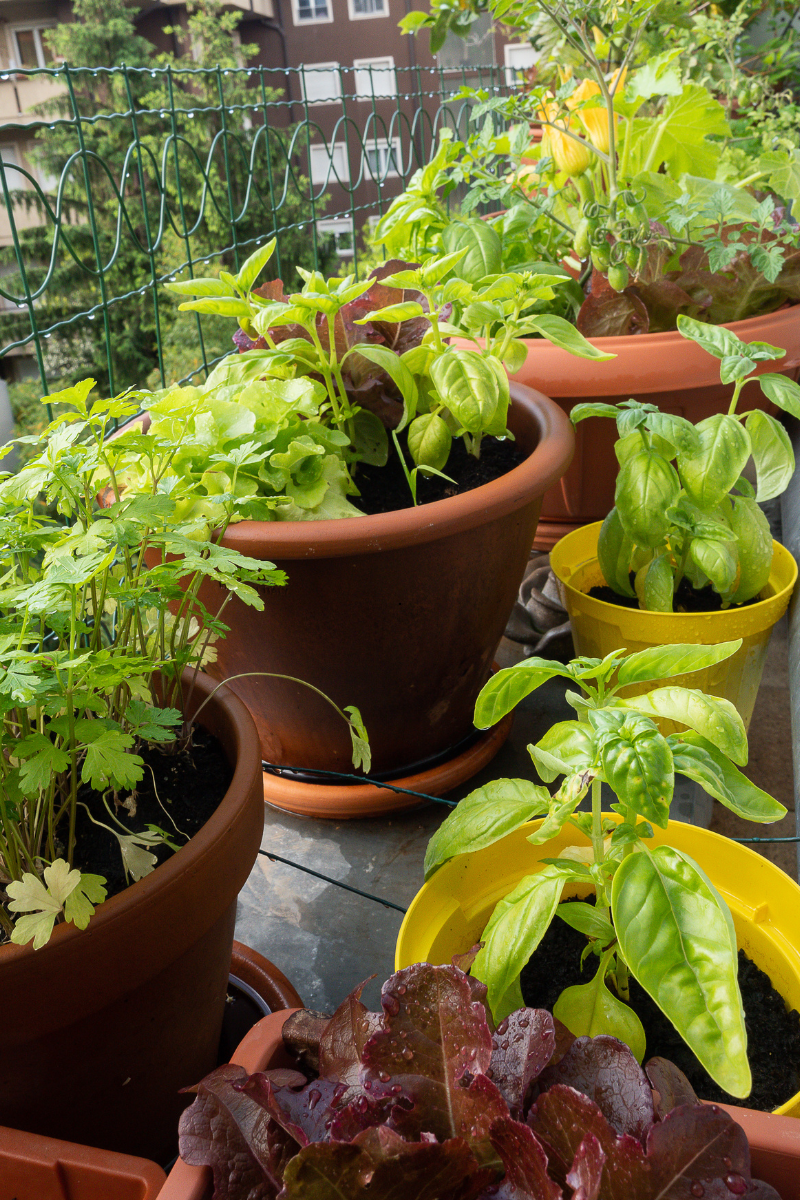
Small Space Gardening: Start a Balcony Food Garden in 60 Minutes
You Don’t Need More Willpower. You Need a Better Food Environment
Most people assume better blood sugar control starts with motivation.
More discipline.
More rules.
More “starting again on Monday.”
But metabolically speaking, willpower is one of the weakest tools we have.
Blood sugar stability is not just about what you eat, it’s about how easy it is to access the foods that stabilize insulin in the first place.
And this is where small space gardening becomes quietly powerful.
If you live in an apartment or condo, your balcony (or even a bright window) can become a metabolic support system. One that works with your physiology instead of against it.
You don’t need land.
You don’t need a green thumb.
You don’t need an entire weekend.
If you have 60 minutes, you can change your food environment in a way that meaningfully supports blood sugar regulation.
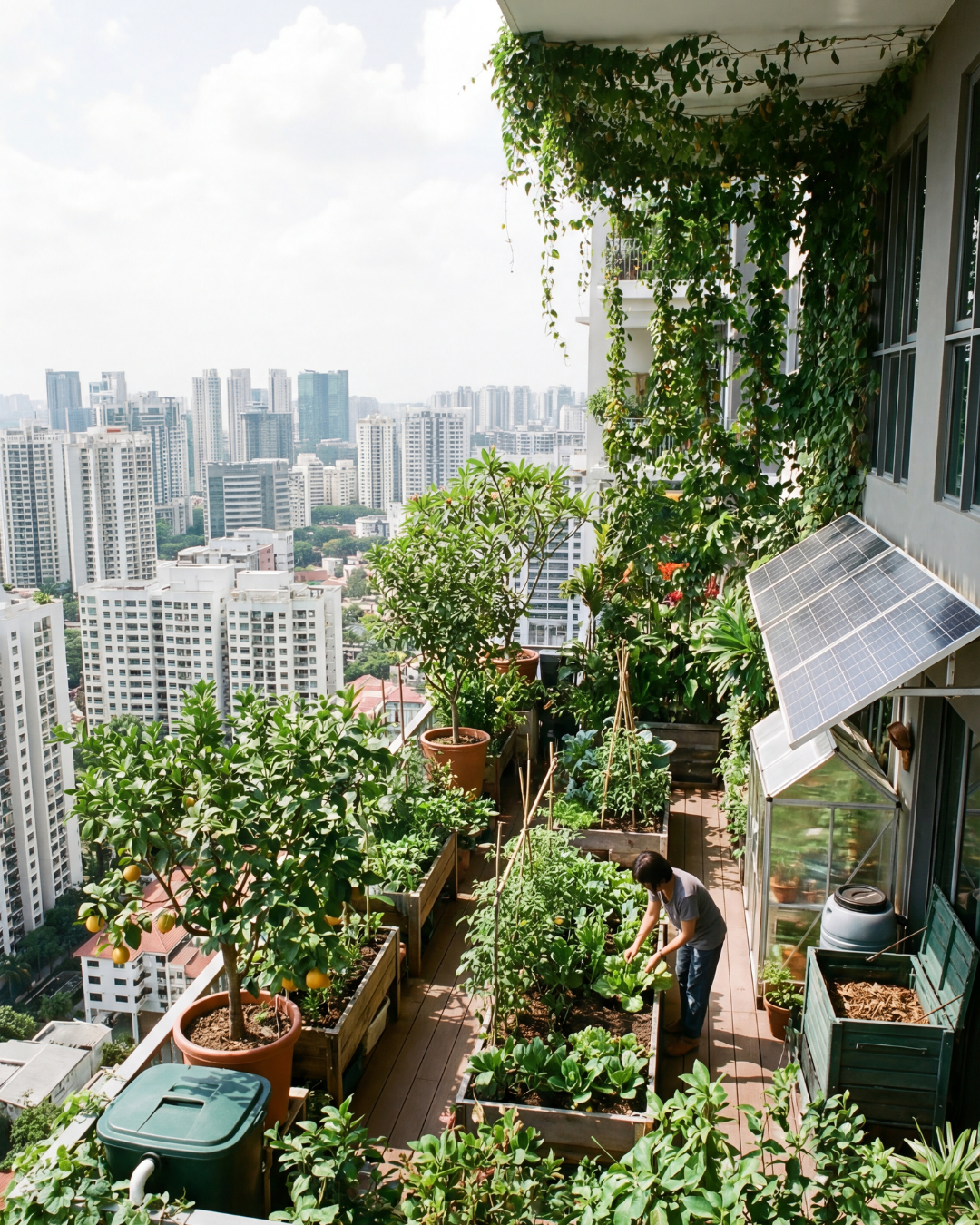
Container Gardening for Beginners
For the month of February, this Urban Metabolic Garden series is about showing you how everyday environments quietly shape blood sugar, insulin sensitivity, cravings, and energy, often without you realizing it.
Especially if you live in an apartment, condo, or somewhere without a traditional yard.
I hear this all the time.
“I’d love to grow food, but I don’t have land.”
“I live in a condo, so gardening isn’t really an option.”
“I’ll focus on food choices instead.”
Here’s the truth.
You don’t need land to grow insulin supportive food.
You just need a container, a bit of intention, and an understanding of how small systems can make a big difference metabolically.
Yesterday, we talked about how a balcony garden can support blood sugar stability by making fibre rich foods easier to eat and by calming the nervous system.
Today, I want to make this practical.
I want to walk you through container gardening the same way I would if we were chatting over coffee and you said, “Okay, but how do I actually do this?”

Am I Addicted to Sugar or Just Hormonal? How to Tell the Difference
If you’ve found yourself wondering, “Am I addicted to sugar?” you’re not alone.
Many women notice that sugar cravings change dramatically in their late 30s and 40s. Foods that once felt neutral suddenly feel urgent. Cravings feel louder, more persistent, and harder to ignore, especially in the afternoon, at night, or during stressful periods.
Because the experience feels compulsive, many women assume the problem is a lack of discipline or an addiction to sugar.
But in most cases, that assumption is wrong.
What’s actually happening is a combination of hormonal shifts and blood sugar imbalance, not a loss of willpower.
Understanding the difference is the key to finally resolving sugar cravings without restriction, shame, or endless resets.
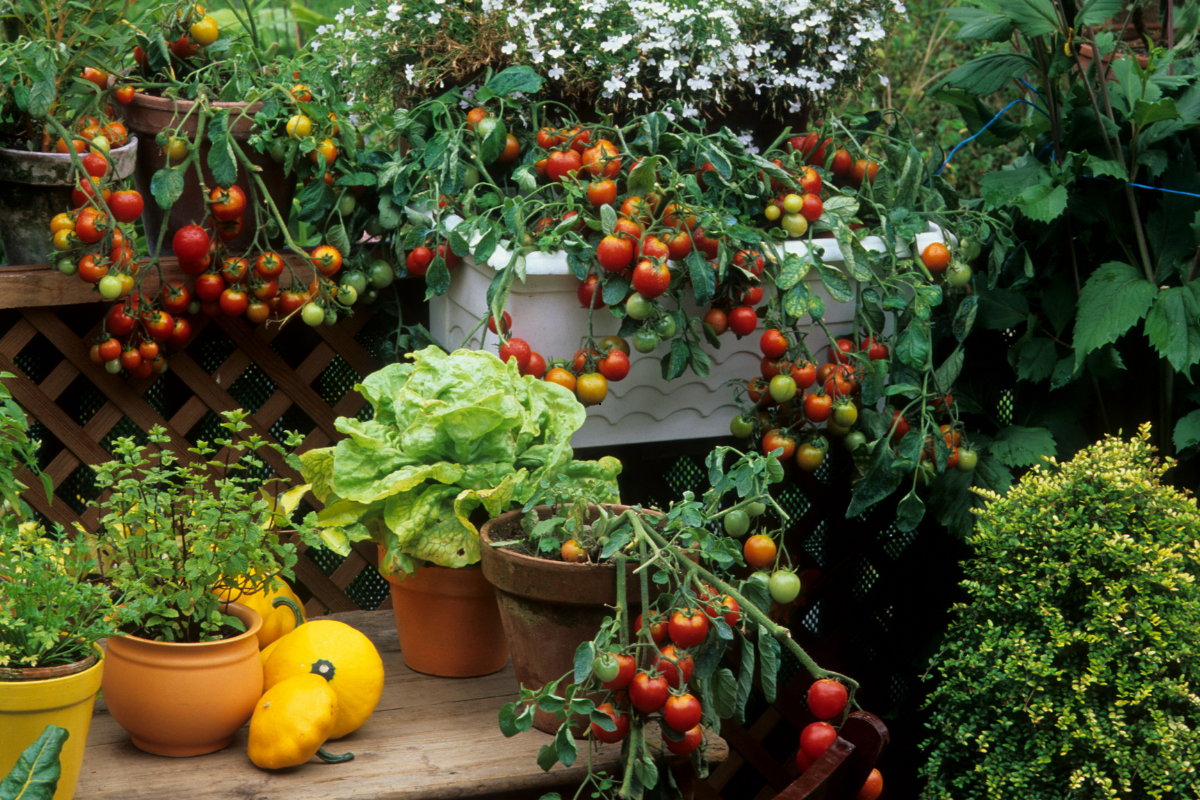
Balcony Vegetable Gardening for Blood Sugar Stability
This series is called The Urban Metabolic Garden.
It is written for people living in apartments, condos, townhomes, or small urban spaces who have been told their environment limits their ability to support their health. People who believe real change requires more time, more space, more discipline, or a completely different lifestyle.
None of that is true.
Your metabolic health is shaped by what is available, visible, and easy to access on a daily basis. That includes what grows within arm’s reach of your kitchen.
Today’s post starts at the root.
Your balcony.
Because your balcony may be influencing your blood sugar stability far more than your willpower ever could.
Why Your Old Diet Stops Working in Your 40s
If you’re in your 40s and finding that the strategies that once worked no longer do, this is not a personal failure. It’s a physiological shift that almost no one prepares women for.
Most women arrive at this stage already disciplined and well-informed. They’ve tracked calories, tried low‑carb or clean eating, experimented with fasting, and followed the rules they were taught in their 20s and 30s. Yet despite doing “everything right,” their bodies stop responding. Weight becomes more stubborn, energy less predictable, and sugar cravings louder and more urgent than ever before.
This is the exact moment the conversation needs to change. Because what’s happening here has nothing to do with willpower or motivation. The underlying issue is blood sugar dysregulation and declining insulin sensitivity and no diet that ignores insulin physiology will work long‑term in your 40s.

How Skipping Meals Makes Sugar Cravings Worse After 35
For many women over 35, skipping meals doesn’t feel like a problem.
It feels responsible.
Efficient.
Even productive.
You skip breakfast because mornings are busy. You delay lunch because you’re not that hungry yet. You tell yourself you’ll eat later, once things slow down. And for a while, that approach seems to work. You feel focused. Alert. In control.
Until later in the day.
Energy drops suddenly. Your patience disappears. Sugar cravings arrive loud and fast, especially in the afternoon or at night. Food starts to feel urgent instead of optional. And you’re left wondering why something that once felt manageable now feels completely out of control.
If this sounds familiar, you’re not imagining it and you’re not failing.